



Why We Love to Hate Ourselves on Anzac Day
Today we celebrate Anzac Day. For some, it’s a day of national pride. For others, it’s a chance to mourn our nation’s injustices. So which should it be?
And why is our civilisation so divided over this? For most majority-world nations, on days of remembrance there is no remorse or introspection, just gratitude and pageantry.
But in places like Australia, we’re severely bipolar on this issue. We’re looking in the mirror trying to work out if we’re heroes or villains.
We’re even asking if our civilisation is worth defending—or if we’ve completely lost our way.
“Truth be told, every nation is guilty of great injustices.”
Some say it’s because the story of the (Christian) West is one to be ashamed of. While I agree that we’ve got big sins to repent of, that actually misses the point.
North Korea have murdered millions of their own, but where is their public self-reflection? Tell me the last time a leader in the Middle East apologised for evil committed under their watch.
Truth be told, every nation is guilty of great injustices. Oddly, only western nations seem sorry for it. What’s going on there?
Self-critique runs deep in western societies. And it’s a value that’s been profoundly shaped by our Judaeo-Christian heritage.
“Jesus has been sidelined, but His values still haunt us.”
Rewind all the way back to the Old Testament prophets, and see Isaiah, Daniel and Amos declaring love poems over the Jewish people—and in the same breath, threatening divine punishment if they don’t repent of their wickedness.
Or go back to the first century, and see Jesus embrace some people while rebuking others—not on the basis of race, gender or status, but their heart-posture towards God and other people.
See the early church struggle, not against their Roman oppressors, but against the sin in their own hearts.
“Self-critique runs deep in western societies.”
Since then, western civilisation is guilty of some horrific injustices—some that sadly continue today. What makes us unique though isn’t our guilt, but the voices in our society that can see it and name it for what it is.
We now live in a very post-Christian world. Jesus has been sidelined, but His values still haunt us. Our self-critique on Anzac Day is proof of this.
“We need introspection, but we also need Jesus.”
But this is where things get messy. When the teachings of Jesus are divorced from His grace, introspection turns to self-loathing.
On an personal level, it can get very dark, very quick. The West’s mental health crisis is testament to this.
On a political level, it leads to extreme polarisation. Conservatives use national holidays to beat people with their flag-waving pride. Progressives tweet their fake humility, apologising for the sins of conservatives.
“When the teachings of Jesus are divorced from His grace, introspection turns to self-loathing.”
We need introspection, but we also need Jesus. Jesus didn’t just call out our sin. He also died for it. He’s the ultimate Anzac, laying down His life defending His friends. Forgiving our evil and injustice; reconciling us back to God. That’s grace.
Only when Jesus’ teachings and His grace go together can we celebrate national holidays with the right balance of humility and thankfulness. Only then can our self-loathing (personal and political) be swallowed up in the love of God.
“Jesus is the ultimate Anzac, laying down His life defending His friends.”
I think our civilisation is still worth defending. Countless migrants fleeing repression across the seas to settle in the Great Southland seem to think so too.
So let’s celebrate Australia, and be grateful for the Diggers’ sacrifice. And then let’s use what they’ve given us to bless the world.
Surely that’s the way to follow Jesus in this moment, and get our civilisation back on track. Lest we forget what they fought and died for.

___
Originally published at Culture, Worldview and Life with Jesus.
One Comment
Leave A Comment
Recent Articles:
2 February 2026
2.9 MINS
Christian nurse Jennifer Melle celebrates reinstatement after her “misgendering” case was dropped, crediting faith, public support, and legal advocacy while vowing to pursue justice and defend biological sex protections.

2 February 2026
4.2 MINS
Back touring Australia, Nathan Tasker and Darren Mulligan share candid reflections on faith, authenticity, and community—revealing how music, vulnerability, and friendship create space for people to encounter God.

2 February 2026
4.9 MINS
Thousands gathered in Washington for the 53rd March for Life, blending faith, personal testimonies, and political resolve in a hopeful call to defend the dignity and gift of every human life.
30 January 2026
3.9 MINS
A pending U.S. Supreme Court case over conversion therapy bans and free speech could influence Australian law, as faith-based counsellors argue viewpoint discrimination and client choice in therapy.

30 January 2026
3.5 MINS
Two radical Islamic terrorists showed Australia just how evil antisemitism could be. “Hate speech and gun laws will fix that.” Many disagreed. The government has ways to fix that, too.

30 January 2026
7.6 MINS
A fiery critique of Australia’s political and religious sensitivities, defending Scott Morrison’s call to confront Islamic extremism and accusing leaders of avoiding hard truths in the name of social cohesion.
30 January 2026
6.3 MINS
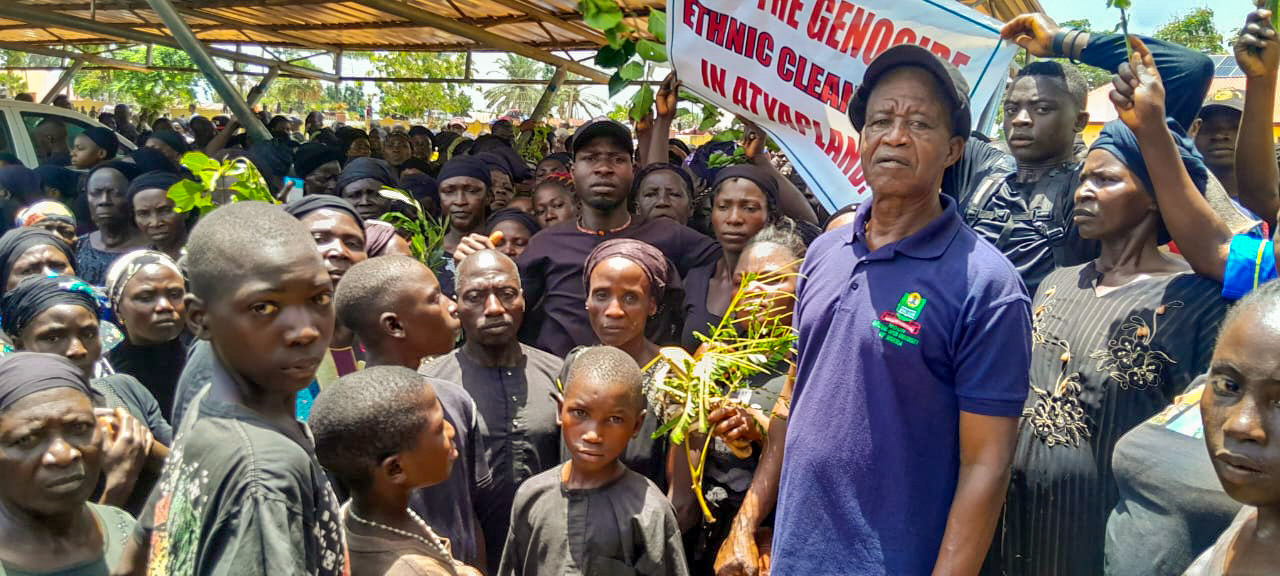
Militants storm a Nigerian church, abducting dozens and shattering families, as survivors plead for help. With government denial and rising terror, faith and international pressure become desperate lifelines.





Interesting thoughts. God bless our Anzacs.