



The Theological Problem with Porn
As has been well-documented, pornography is a massive problem in today’s world. Whereas in previous years the challenge was how to access it, the issue now is how to avoid it. And the innovation of the internet has contributed to its ubiquity.
In response, there has been a trend amongst Christians to focus on the sociological, as opposed to the spiritual, impacts of porn. For example, Justin Holcomb, writing in The Gospel Coalition, outlines the following six reasons as to why porn is cruel and not harmless:
- Porn fuels the sex trade
- Porn shapes sexual desires
- Porn exploits child sexual abuse victims
- Porn supports ‘rape culture’
- Porn hijacks children’s sexuality
- Porn limits men
Obviously, it’s taken as something of a given that porn is detrimental to one’s relationship with God. But as the old saying goes, if something goes without saying, then it really needs to be said! And as such, I believe we need to view the issue from a theological, rather than merely sociological, perspective.
Without question, pornography is an insidious temptation that poses an enormous spiritual danger to the health and well-being of one’s soul. The Scriptures couldn’t be any clearer on this point (see Col. 3:5-6; 1 Cor. 6:9-11; 1 Thess. 4:3-8). What’s more, this adulterous form of idolatry — if not forsaken — will result in God’s just judgment.
Those who are Christian have the wonderful promise that we are cleansed and eternally forgiven (John 5:24). But that doesn’t mean that there are not serious consequences to our fellowship with God if we are slack in this regard.
Hebrews 13:4, is especially pertinent:
“Marriage should be honoured by all, and the marriage bed kept pure,
for God will judge the adulterer and all the sexually immoral.”
It is helpful, though, to read this verse in the broader context of the preceding chapter, especially verses 4 to 13 of Hebrews chapter 12. It contains a wealth of instruction as to how to think and respond to this most insidious of lusts.
As such, what follows is a summary of what it teaches, especially as applied to the sin of pornography.
First, we should not over-dramatise how much we might be personally struggling.
Verse 4 says that
“In your struggle against sin, you have not yet resisted to the point of shedding blood.”
Don’t get me wrong. The temptation of lust is so powerful and strong that at times it can seem overwhelming. I remember David Cook — former principal of SMBC and moderator-general of the Presbyterian Church of Australia — once say that the only time he would trust himself in this regard would be after he’d died. And then, only after he’d been in the ground for three days!
But in our commitment to “abstain from sinful desires, which war against your soul” (1 Pet. 2:11), have we resisted to the point of shedding blood? Have we been so radical in our hunger and thirst for righteousness that it has made a physical impact on our own flesh? So, while the struggle is real, keep in mind that it is no different to what every other faithful saint has had to endure as well.
Second, be encouraged by the truth that God disciplines those whom He loves. The reality is, when we fall into sin as Christians, God punishes us in all kinds of ways. Everything from a crushed and downcast spirit, to hardship, to sickness, to maybe even death (1 Cor. 11:30-32). But we shouldn’t view these chastisements though as a sign of God’s rejection, but rather of the Spirit’s work.
In John 16:8, the Lord Jesus specifically promised that when He sent the comforter of God’s Holy Spirit, He would “convict the world in regard to sin and righteousness and judgment.” Hence, it is the conviction of guilt that we feel over sin that is a sign that the Spirit of God is truly at work. And for that alone, we should be encouraged! As we are told in Proverbs 3:11-12:
“My son, do not make light of the LORD’s discipline,
and do not lose heart when He rebukes you,
because the LORD disciplines those He loves,
and He punishes everyone He accepts as a son.”
Third, following from the previous point, divine discipline is evidence of spiritual sonship. We’re being treated as God’s dearly loved offspring, and not as illegitimate children. The logic is simple. We all have human fathers who disciplined us when we went astray. How much more appropriate then is it that our Father in Heaven should do the same?
We shouldn’t expect anything less. What’s more, while our earthly fathers disciplined us imperfectly, our heavenly Father does it with perfect justice and wisdom. As the writer of Hebrews says in verse 10,
“Our fathers disciplined us for a little while as they thought best;
but God disciplines us for our good, that we may share in His holiness.”
Fourth, intimately connected with this is what the goal of God’s discipline is. It’s to produce a “harvest of righteousness and peace” (v. 12). At the time when we’re experiencing God’s discipline and chastisement, it feels anything but positive. In fact, it’s downright painful. But there is a “training” that is occurring during this time that frees us from the deceptiveness of sin. As the Spirit says in 1 Peter 4:1,
“… he who has suffered in his body is done with sin.”
Finally, there are some decisive, practical steps that one should take in resisting temptation. The first is to, quite frankly, toughen up. To “strengthen your feeble arms and weak knees” (Heb. 12:12). In other words, resolve to make a break with sin by actively fleeing from temptation (see 1 Cor. 6:18; Gen. 39:11-12).
Further, we are to “make level paths for Your feet.” (Heb. 12:13) One of the best pieces of advice in this regards from the Lord Jesus Christ Himself when He says in the Sermon on the Mount to cut off the offending limb (i.e. Matt. 5:30). What this means in everyday living is to not have certain kinds of social media accounts. Or maybe even to not have a computer at all!
Another really helpful — but also humbling — thing to do is to confess your wrongdoing to another believer. Preferably of the same biological gender as oneself, and also whom one respects spiritually. James 5:16 is pertinent in this regard:
“Therefore confess your sins to each other and pray for each other so that you may be healed. The prayer for a righteous man is powerful and effective.”
Ultimately, the problem with porn is not sociological, but theological. Yes, there are real human problems with indulging with pornography. But the more serious danger — and solutions — come from viewing things from a spiritual perspective.
[Photo by Gaelle Marcel on Unsplash]Recent Articles:
30 January 2026
3.9 MINS
A pending U.S. Supreme Court case over conversion therapy bans and free speech could influence Australian law, as faith-based counsellors argue viewpoint discrimination and client choice in therapy.

30 January 2026
6.3 MINS
Militants storm a Nigerian church, abducting dozens and shattering families, as survivors plead for help. With government denial and rising terror, faith and international pressure become desperate lifelines.

29 January 2026
2.4 MINS
A powerful wave of Gospel unity is rising across the South Pacific, as churches join forces for revival, discipleship, and Christ-centred nation building—sparking fresh hope for spiritual awakening across the region.
29 January 2026
5.6 MINS
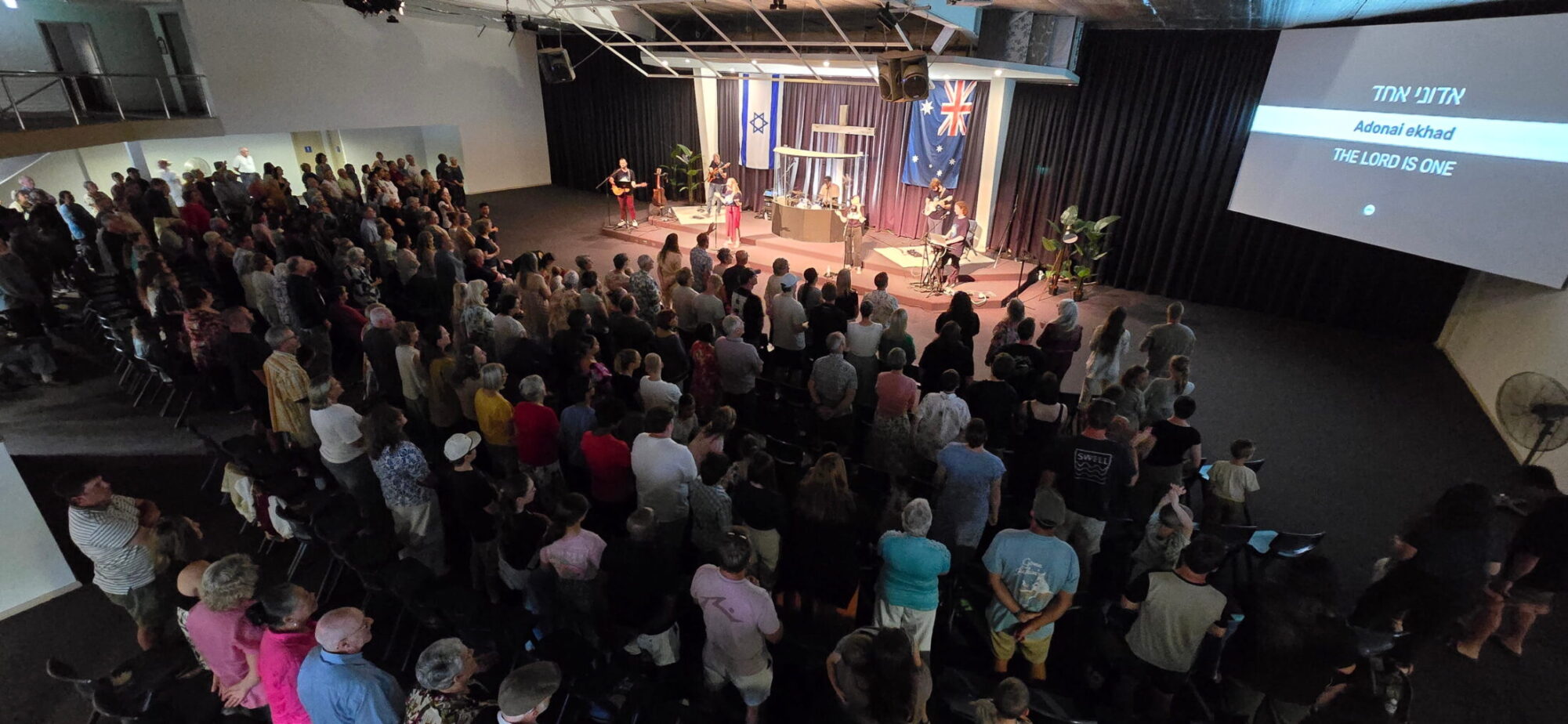
Celebrate Messiah’s SOLU tour brought Israel’s new generation of Yeshua-believing worshippers to Australia, uniting thousands in joyful praise, testimony, and a powerful witness of Jewish–Arab reconciliation in Messiah.

29 January 2026
4.6 MINS
Security fears and rising extremism force hard questions about faith, freedom, and accountability, as Scott Morrison’s call to confront radical Islam through regulation of preaching raises both hope for reform and warnings about government overreach.

28 January 2026
4.6 MINS
Letitia Wright, the Guyanese-British actress known for her role as Shuri in Marvel's Black Panther franchise, is a committed Christian who has boldly spoken about her faith despite facing cancel culture criticism. This is her story of faith, resilience, and refusing to compromise her beliefs in a secular industry.
28 January 2026
5.2 MINS
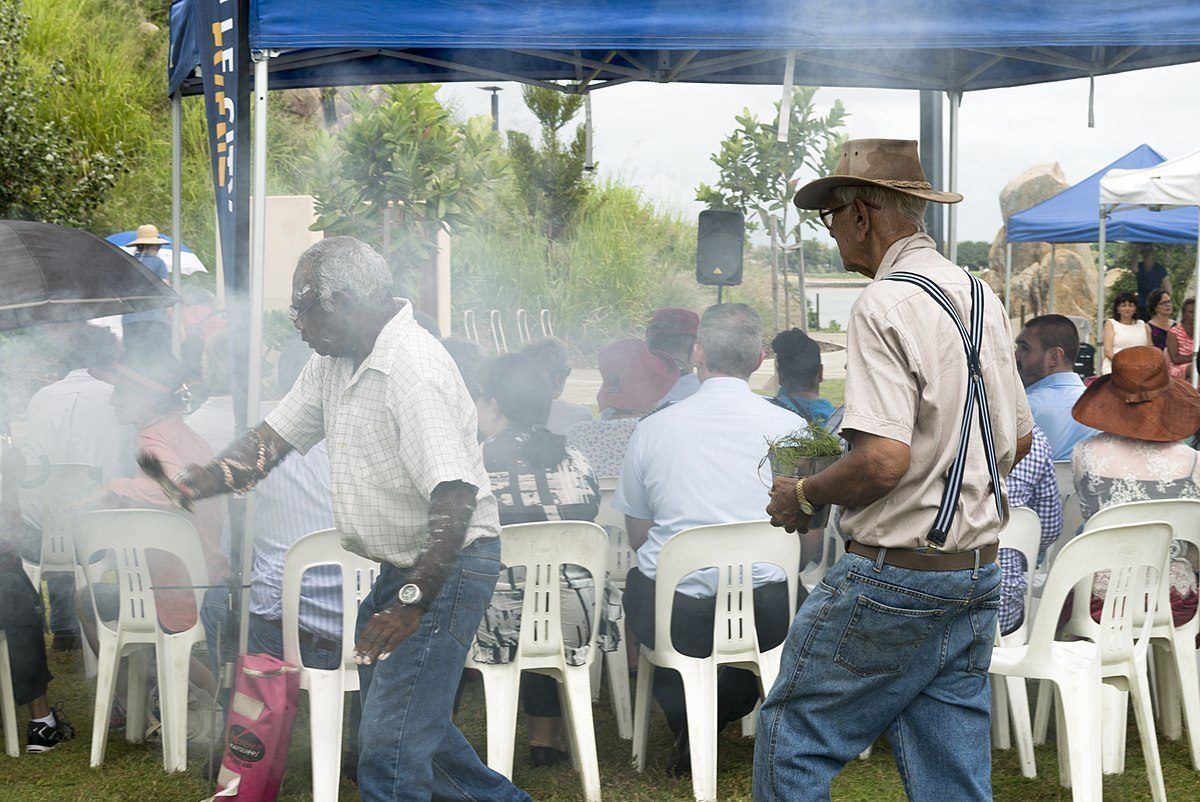
Are Indigenous smoking ceremonies cultural gestures or spiritual rituals? This article examines their religious meaning, constitutional implications, and spiritual risks from a Christian worldview.




