



Proverbs’ 7 Pillars of Wisdom, Part 3: The Spirit of Wisdom
In this series, we are considering the seven pillars of wisdom mentioned in Proverbs 9:1, which I contend are prudence, discernment, knowledge, discretion, judgment, understanding and counsel.
Pillar Four: Discretion
Psalm 112:5 tells us that a good man “will guide his affairs with discretion”. Proverbs 3:21 enjoins us to “keep sound wisdom and discretion”.
The Miriam-Webster dictionary defines discretion as “individual choice or judgment,” and the “power of free decision or latitude of choice within certain legal bounds”.
Discretion is about wise judgment — but in particular, it means having the liberty to act without the control of someone else’s judgment. It is about being sober-minded, and acting with the wisdom and judgment that God has given us.
Pillar Five: Judgment
Webster’s 1828 Dictionary defines judgment as:
The act of judging; the act or process of the mind in comparing its ideas,
to find their agreement or disagreement, and to ascertain truth;
or the process of examining facts and arguments, to ascertain propriety and justice;
or the process of examining the relations between one proposition and another.
In Scripture, judgment includes the spirit of wisdom and prudence, enabling a person to discern right from wrong, and good from evil. Ultimately, the person who enacts perfect judgment will be God, when He judges the whole world. This is the declaration of Ecclesiastes 12:14:
For God will bring every work into judgment,
including every secret thing, whether good or evil.
But God’s judgment is not relegated only to the end of time. Biblically, judgment means the spiritual government of this temporal world. “Give the king Your judgments, O God,” pleads Solomon in Psalm 72:1. Likewise, in John 5:22, we read that “the Father judges no one, but has committed all judgment to the Son.”
Pillar Six: Understanding
Webster’s 1828 Dictionary defines understanding as “the faculty of the human mind by which it apprehends the real state of things presented to it, or by which it receives or comprehends the ideas which others express and intend to communicate.”
Understanding also includes intelligence between two or more people; and agreement of minds; a union of sentiments.
In Catholicism and Anglicanism, understanding is one of the seven gifts of the Holy Spirit. In Ephesians 1:18-19, Paul’s prayer is that:
“the eyes of your understanding [are] enlightened;
that you may know what is the hope of His calling,
what are the riches of the glory of His inheritance in the saints,
and what is the exceeding greatness of His power toward us who believe.”
Pillar Seven: Counsel
Counsel means advice given by a professional regarding the judgment or conduct of another, or advice, opinion or instruction, given on request or not.
Proverbs 20:18 declares that “plans are established by counsel”. There is likewise a warning in Proverbs 12:15 that “the way of a fool is right in his own eyes, but he who heeds counsel is wise”; and yet another in Proverbs 11:14, that “where there is no guidance, a people falls, but in an abundance of counselors there is safety.”
In concluding this survey of the seven pillars of wisdom, let us turn to Isaiah 11:2, which describes the manifold wisdom of Jesus:
The Spirit of the Lord will rest on him —
the Spirit of wisdom and of understanding,
the Spirit of counsel and of might,
the Spirit of the knowledge and fear of the Lord
In Jesus is found all of the wisdom we need. When our lives are filled with His wisdom, wellbeing follows. As Proverbs 9:11 declares,
The fear of the Lord is the beginning of wisdom,
And the knowledge of the Holy One is understanding.
For by me your days will be multiplied,
And years of life will be added to you.
And remember there are two kinds of Wisdom:
[Photo by Priscilla Du Preez on Unsplash]Who is wise and understanding among you?
Let them show it by their good life,
by deeds done in the humility that comes from wisdom.
But if you harbour bitter envy and selfish ambition in your hearts,
do not boast about it or deny the truth.
Such “wisdom” does not come down from Heaven
but is earthly, unspiritual, demonic.
For where you have envy and selfish ambition,
there you find disorder and every evil practice.But the wisdom that comes from Heaven is first of all pure;
then peace-loving, considerate, submissive,
full of mercy and good fruit, impartial and sincere.
Peacemakers who sow in peace reap a harvest of righteousness.
Recent Articles:

30 January 2026
3.9 MINS
A pending U.S. Supreme Court case over conversion therapy bans and free speech could influence Australian law, as faith-based counsellors argue viewpoint discrimination and client choice in therapy.

30 January 2026
6.3 MINS
Militants storm a Nigerian church, abducting dozens and shattering families, as survivors plead for help. With government denial and rising terror, faith and international pressure become desperate lifelines.

29 January 2026
2.4 MINS
A powerful wave of Gospel unity is rising across the South Pacific, as churches join forces for revival, discipleship, and Christ-centred nation building—sparking fresh hope for spiritual awakening across the region.
29 January 2026
5.6 MINS
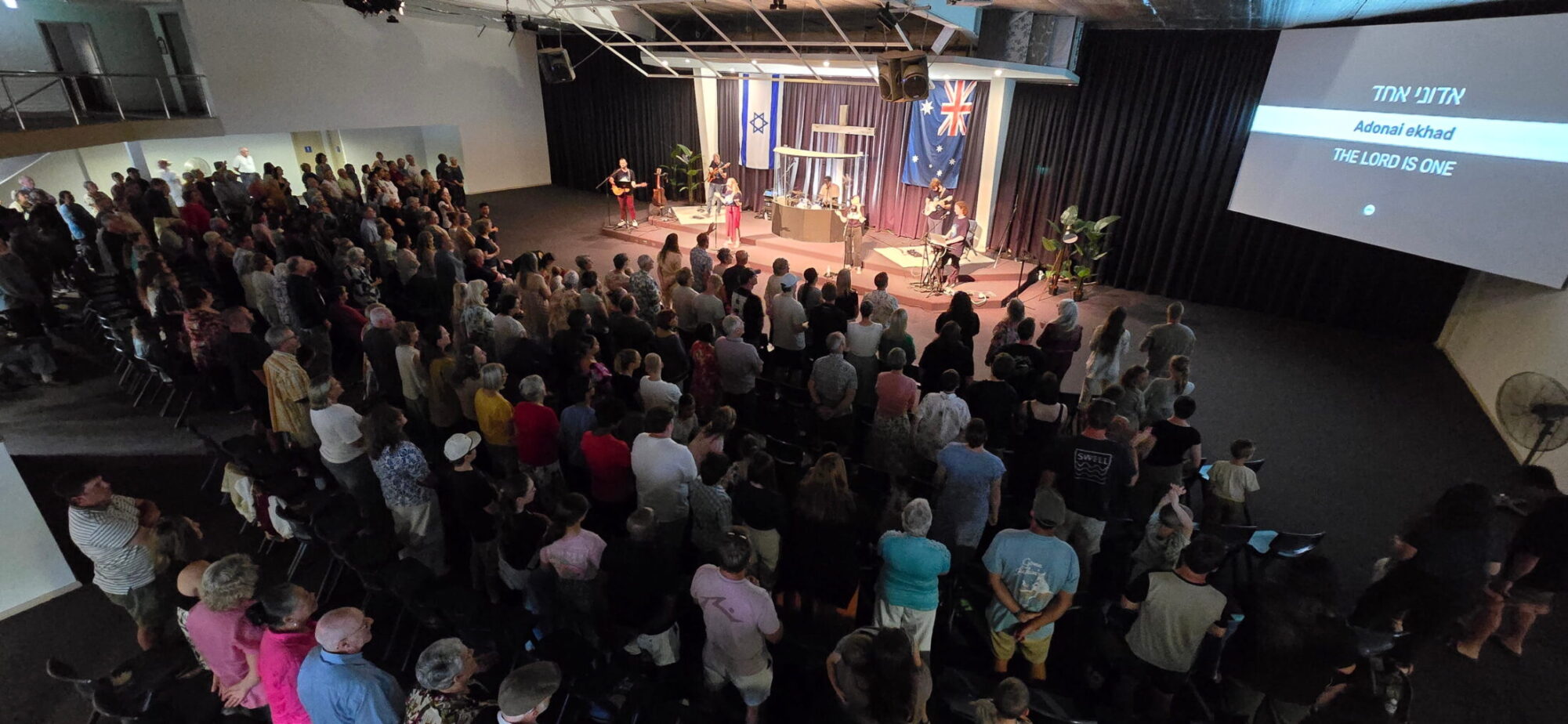
Celebrate Messiah’s SOLU tour brought Israel’s new generation of Yeshua-believing worshippers to Australia, uniting thousands in joyful praise, testimony, and a powerful witness of Jewish–Arab reconciliation in Messiah.

29 January 2026
4.6 MINS
Security fears and rising extremism force hard questions about faith, freedom, and accountability, as Scott Morrison’s call to confront radical Islam through regulation of preaching raises both hope for reform and warnings about government overreach.

28 January 2026
4.6 MINS
Letitia Wright, the Guyanese-British actress known for her role as Shuri in Marvel's Black Panther franchise, is a committed Christian who has boldly spoken about her faith despite facing cancel culture criticism. This is her story of faith, resilience, and refusing to compromise her beliefs in a secular industry.
28 January 2026
5.2 MINS
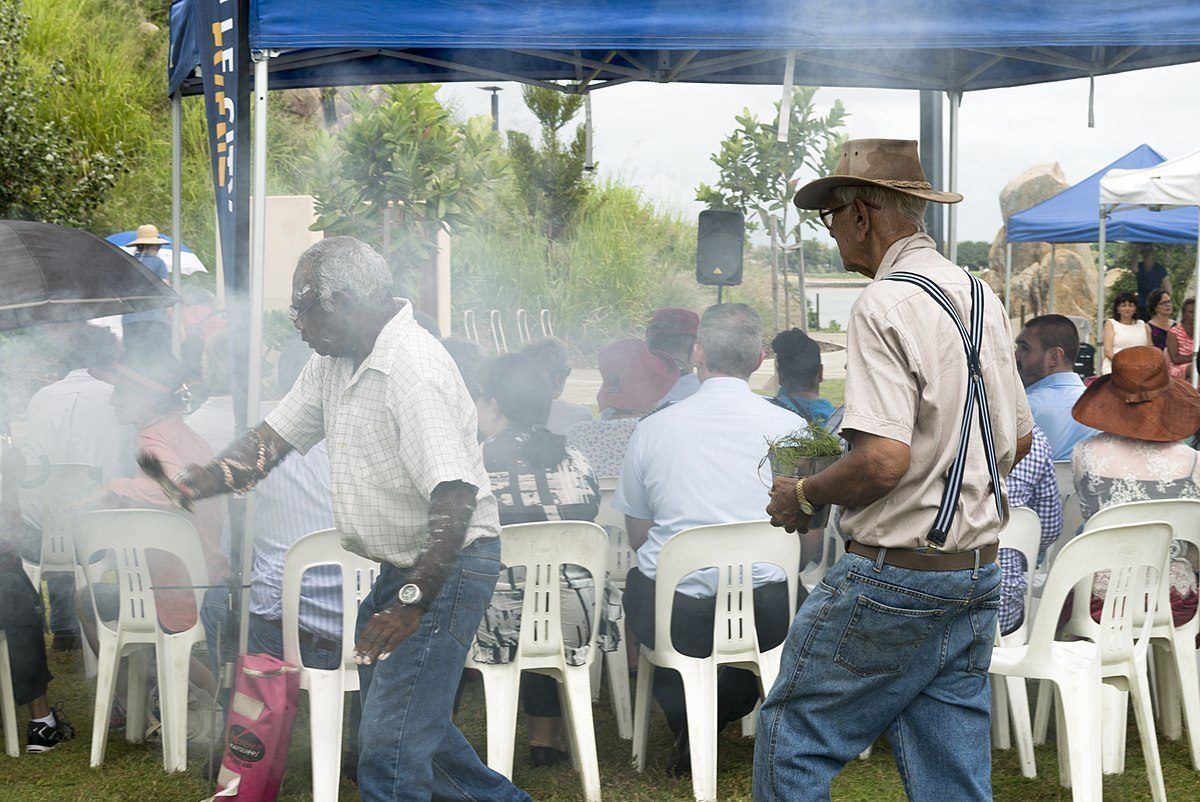
Are Indigenous smoking ceremonies cultural gestures or spiritual rituals? This article examines their religious meaning, constitutional implications, and spiritual risks from a Christian worldview.




