


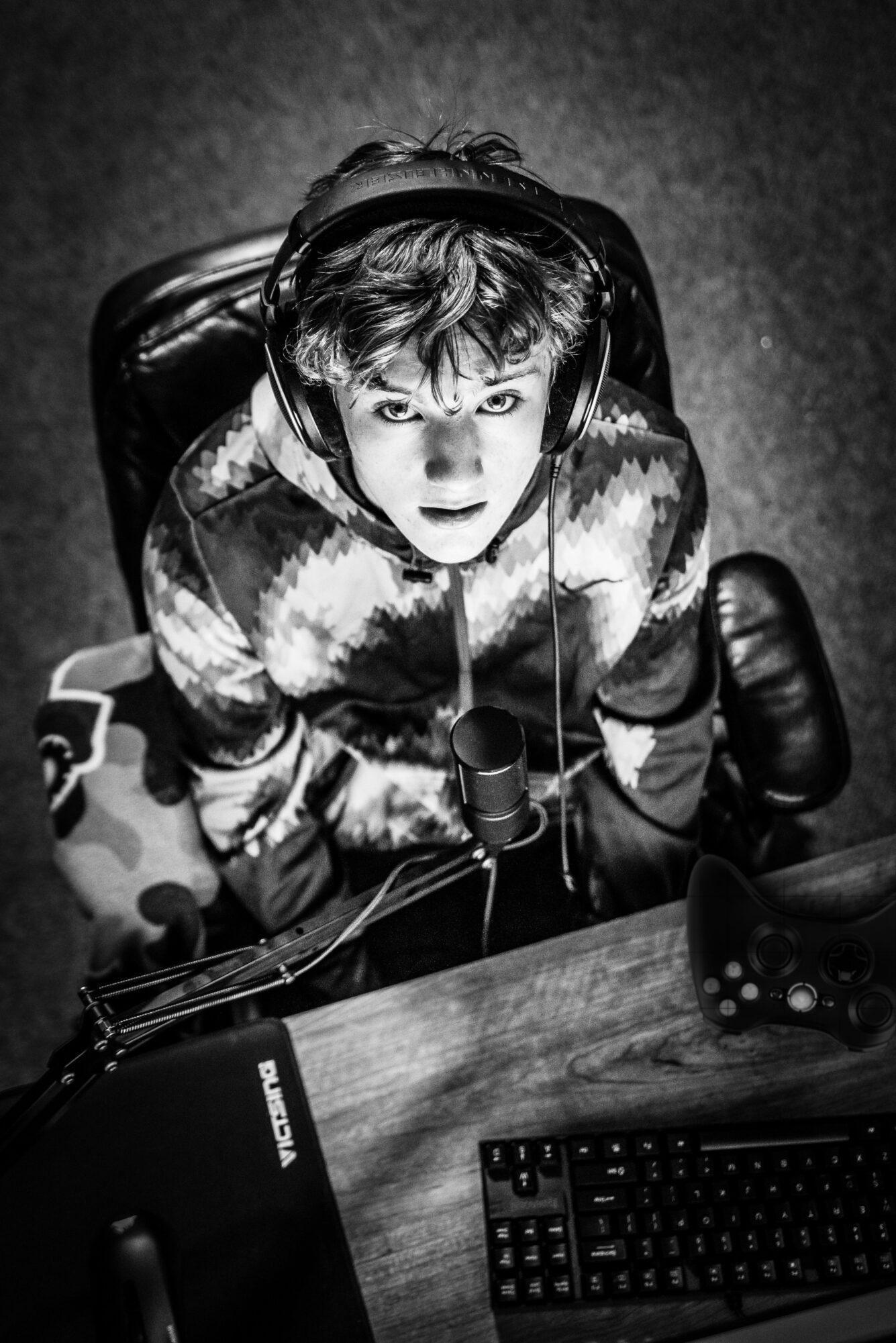
Pornography: Protecting Our Kids From the New Public Health Crisis
At the dawn of the Sexual Revolution in the 1960s and 70s, many were sounding the alarm about the impact pornography would have if it became widely available.
Through the 80s and 90s, Christians especially were objects of ridicule for their social and political stance against it.
Fast-forward to today, and pornography is thoroughly mainstream. Studies regularly find that the majority of adults—male and female—consume pornography with some level of frequency.
The biggest porn website has 33.5 billion visits every year—that’s over 1,000 visits a second. More people view pornography every month than Amazon, Netflix and YouTube combined.
Though you won’t hear much about it from mainstream news, research is now shedding light on the grim results of this decades-long experiment.
Studies have drawn links between pornography and a host of social ills such as depression, anxiety, stress, decreased sexual satisfaction, negative views of women, sexual violence, and even sex trafficking. “It’s not hurting anyone” has turned out to be a momentous myth.
In fact, the impacts of pornography have concerned American lawmakers enough that they’ve declared porn a public health crisis in 15 states.
The harms to children are especially concerning, given that today’s kids represent the first generation ever to be raised on tablets and mobile devices.
Thinking this through, we shouldn’t be surprised then when surveys find that 90% of boys and 70% of girls have visited porn sites by the time they’re 18; that the average age children first view porn is 11; and that 50% of teens come across porn at least once a month, whether they search it out or not.
But it’s not all bad news.
A number of nations have begun enacting age verification laws. Beginning next year in the UK, pornographers will be legally responsible for verifying the age of their customers using a third-party secure site. New Zealand is about to do the same.
Now the Australian government is considering these measures. And you can have a say in the process.
The Standing Committee on Social Policy and Legal Affairs is taking written submissions until Friday the 25th October, 2019. You can make your submission, however brief, at this link.
This isn’t about censorship. It’s about child safety, and making sure that children can enjoy a porn-free childhood.
Remember to make your submission to the inquiry before next Friday.
The next generation will thank you.
Recent Articles:
30 January 2026
3.9 MINS
A pending U.S. Supreme Court case over conversion therapy bans and free speech could influence Australian law, as faith-based counsellors argue viewpoint discrimination and client choice in therapy.
30 January 2026
3.5 MINS
Two radical Islamic terrorists showed Australia just how evil antisemitism could be. “Hate speech and gun laws will fix that.” Many disagreed. The government has ways to fix that, too.
30 January 2026
7.6 MINS
A fiery critique of Australia’s political and religious sensitivities, defending Scott Morrison’s call to confront Islamic extremism and accusing leaders of avoiding hard truths in the name of social cohesion.

29 January 2026
2.1 MINS
After Australia Day tensions, returning media figure Nancy Bell delivers a delayed national message blending satire, identity politics commentary, and cultural critique, positioning himself once again as a provocative Australian voice.
29 January 2026
5.6 MINS
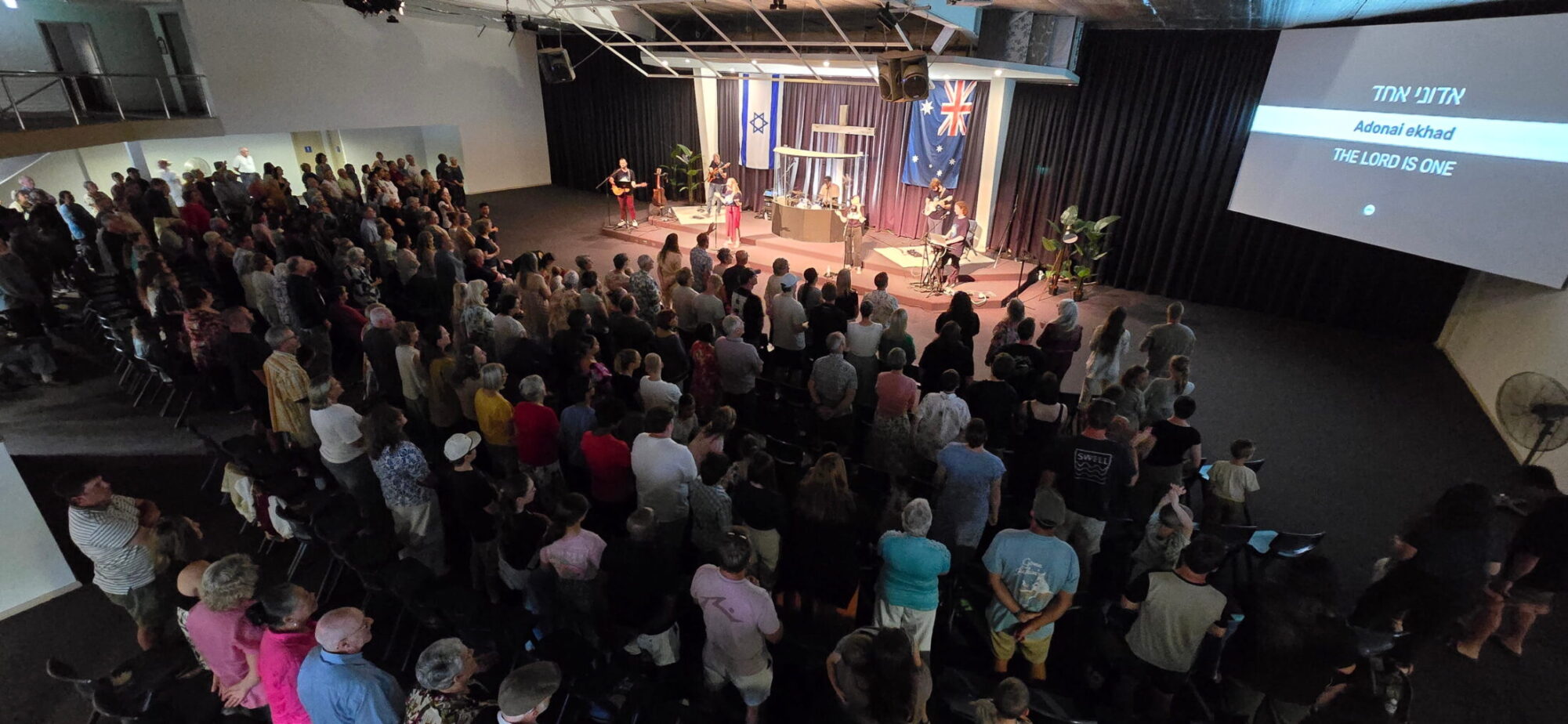
Celebrate Messiah’s SOLU tour brought Israel’s new generation of Yeshua-believing worshippers to Australia, uniting thousands in joyful praise, testimony, and a powerful witness of Jewish–Arab reconciliation in Messiah.

29 January 2026
4.6 MINS
Security fears and rising extremism force hard questions about faith, freedom, and accountability, as Scott Morrison’s call to confront radical Islam through regulation of preaching raises both hope for reform and warnings about government overreach.
28 January 2026
5.2 MINS
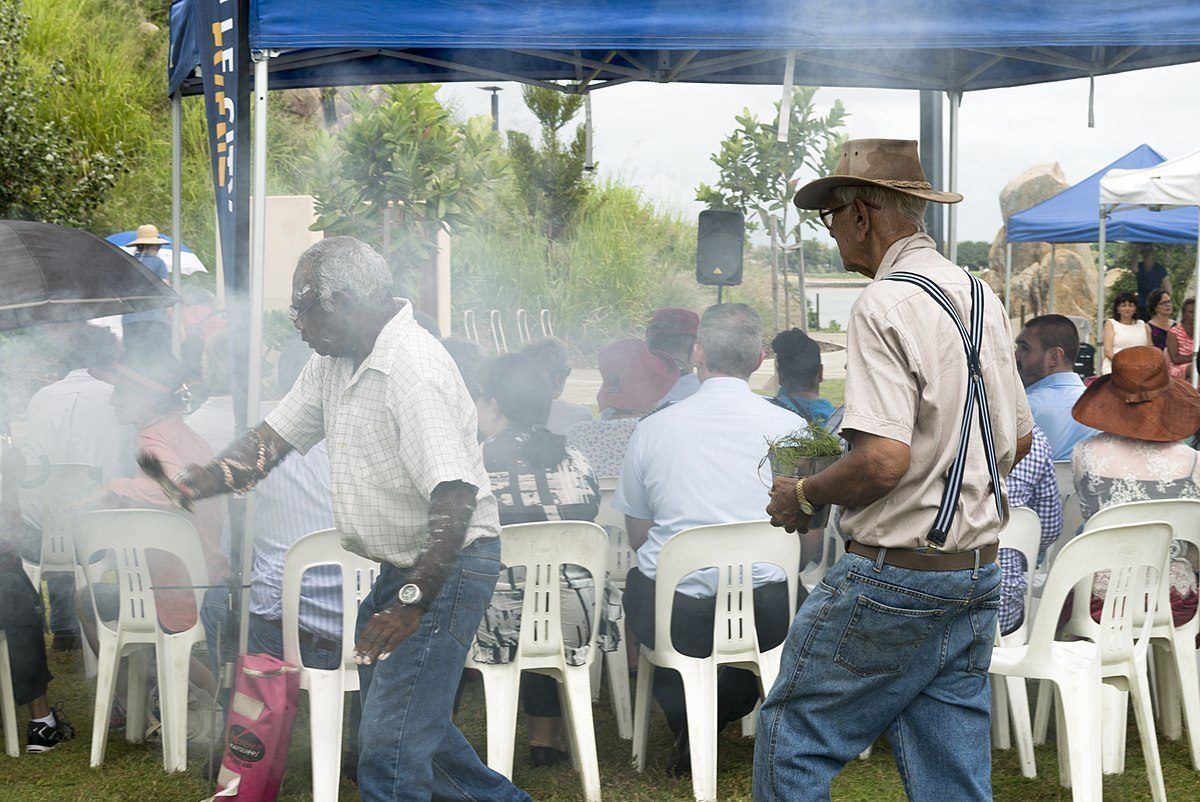
Are Indigenous smoking ceremonies cultural gestures or spiritual rituals? This article examines their religious meaning, constitutional implications, and spiritual risks from a Christian worldview.




