



The Myth of a Secular Australia
Aussies are a laid-back bunch. That’s partly why we don’t like to talk religion or politics in polite company. When these topics come up at a dinner party, our impulse is to keep it light-hearted, or make a point of cutting down the tall poppies, whether priestly or political.
The story we tell ourselves is that as an immigrant society built by convicts and other misfits, Australia was born this way — born modern and more worldly than our British forebears.
Our convict mythology makes it easier for Aussie secularists to say “keep religion out of politics”. With such logic, public schools are guarded from religious education classes, and debates about abortion are hushed. The only problem is that this mythology is exactly that — a myth.
Stephen Chavura, who lectures in history at Campion College, has published and spoken extensively on this topic. He explains that while it’s true that Australia wasn’t founded as a “Christian nation”, we did proclaim ourselves as proudly British. And by definition, that meant Protestant.
It can be too easy, Chavura says, to take the convict experience and project it on to the rest of Australia. In fact, convicts were only arriving here until the 1850s. Both before and after this, there were vast numbers of free settlers arriving from England, Ireland, Scotland and other parts of Europe.
As an example of this, I grew up in Lobethal in the Adelaide Hills — one of many German settlements in South Australia founded in the 19th century. Lobethal was Martin Luther’s translation of the “valley of praise” mentioned in 2 Chronicles 20:26.
Like so many of Australia’s free settlers, my ancestors made it a priority to build a place of worship when they first arrived. Travel anywhere in Australia today — to country towns especially — and you will see churches, chapels and cathedrals that still stand as a testimony to Australia’s strong Christian roots.
In the lead up to our Federation in 1901, Australia’s Christian identity was rigorously discussed. And so it should have been: at that point, the percentage of Australians identifying as Christians was in the high 90s.
Thousands of Australians petitioned their federation delegates to make sure the phrase “humbly relying on the blessing of Almighty God” was kept in our Constitution’s preamble. Chavura suggests that, had the delegates ignored these pleas, everyday Australians may have voted against Federation itself — so strongly did they feel about the issue!
The other part of our Constitution that mentions religion is Section 116, which reads:
“The Commonwealth shall not make any law for establishing any religion, or for imposing any religious observance, or for prohibiting the free exercise of any religion, and no religious test shall be required as a qualification for any office or public trust under the Commonwealth.”
In recent decades, this section enshrining the separation of church and state has been used by secularists to argue for a “secular Australia” — a nation free of religion. But the intent of our Constitution’s drafters was in fact the opposite.
Australia’s founders weren’t trying to “keep religion out of politics”. That phrase would have made little sense in the 1800s, given how many of the delegates were animated by their Christian faith. What they sought to stop with Section 116 was the government’s overreach — financial or otherwise — into religious life.
A federation delegate from my own state of South Australia, Patrick Glynn, wrote that religion
“pervades all the relations of our civil life. It is felt in the forms of our courts of justice, in the language of our Statutes, in the oath that binds the sovereign to the observance of our liberties.”
When words like “secular” and “secularism” were used in early Australia, they didn’t describe a society free of religion. They described an Australia that all Christians — whether Protestant or Catholic — could agree on. “Non-denominational” or “non-sectarian” are perhaps the best way for us to understand our founders’ use of the word secular. This was important, given the significant minority of Irish Catholics that also called Australia home.
Stephen Chavura and Greg Melleuish provide other early evidence of Christianity’s strong influence on Australian culture. The first work of philosophy published in Australia was by Presbyterian minister Rev. Barzillai Quaife — one of many examples of the connection between philosophy and religion in Australia.
They write that
“clergymen played a significant role in the intellectual life of nineteenth-century NSW, as naturalists, political thinkers, and newspaper editors.”
Indeed Alfred Deakin, our second Prime Minister, declared that
“Without God and without immortality there can be no true or efficient morality from generation to generation, no task for the race, and no goal for it to attain.”
It was only from the 1960s that religious belief in Australia really started to decline — a phenomenon seen throughout the West. As late as the 1950s, only 10% of Australians claimed no religion.
So next time you hear someone say that Australia is a secular nation or that religion has no place in politics, remind them of our origins.
The Christian voice has every right to be heard in Australia. It is, after all, what gave us our religious freedom in the first place.
[Photo by filmplusdigital on Unsplash]Recent Articles:
25 May 2026
3.4 MINS
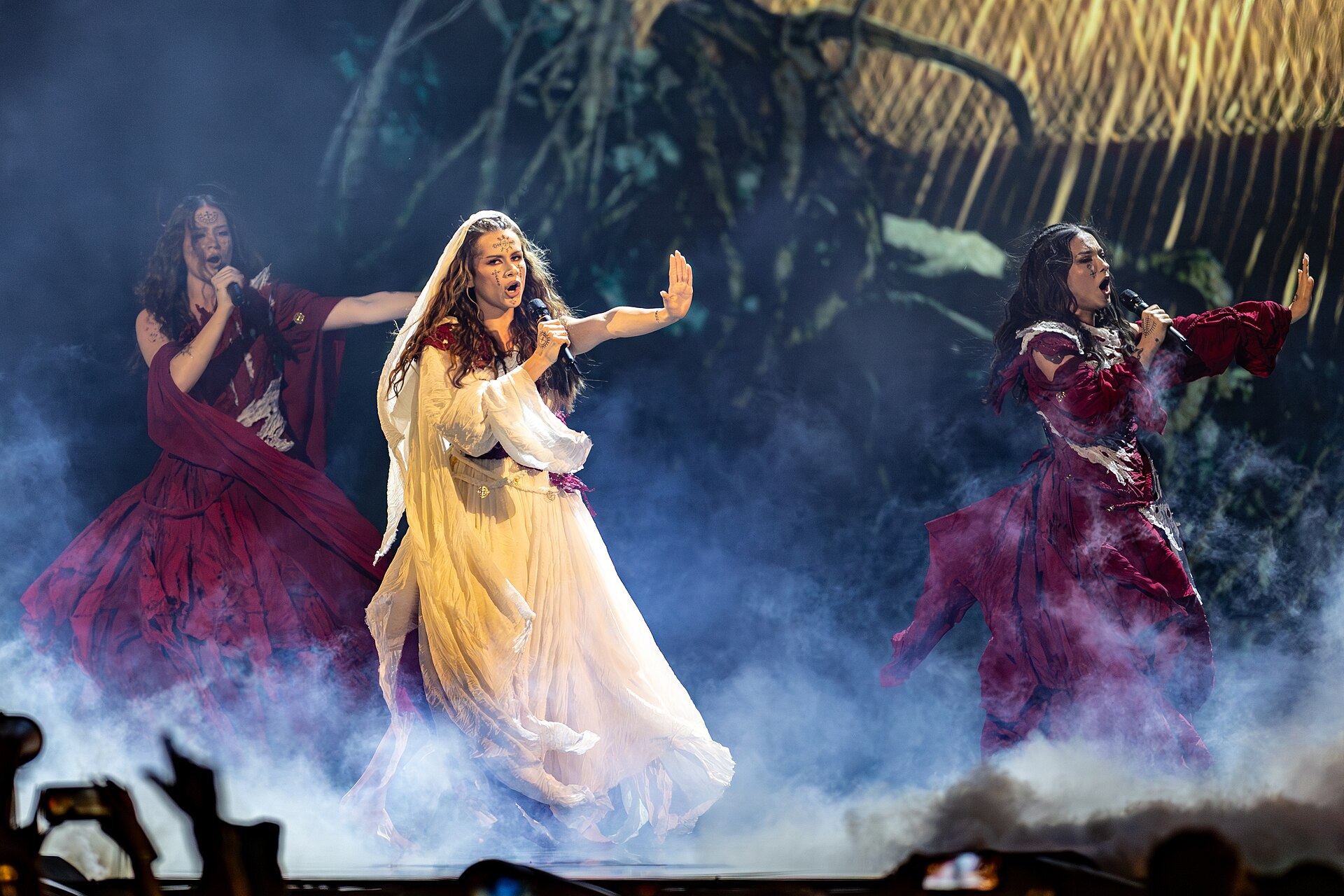
A Eurovision performance has reignited debate about Europe’s Christian heritage, Ottoman history, and the enduring cultural tensions surrounding Islamic expansion.
25 May 2026
4.7 MINS
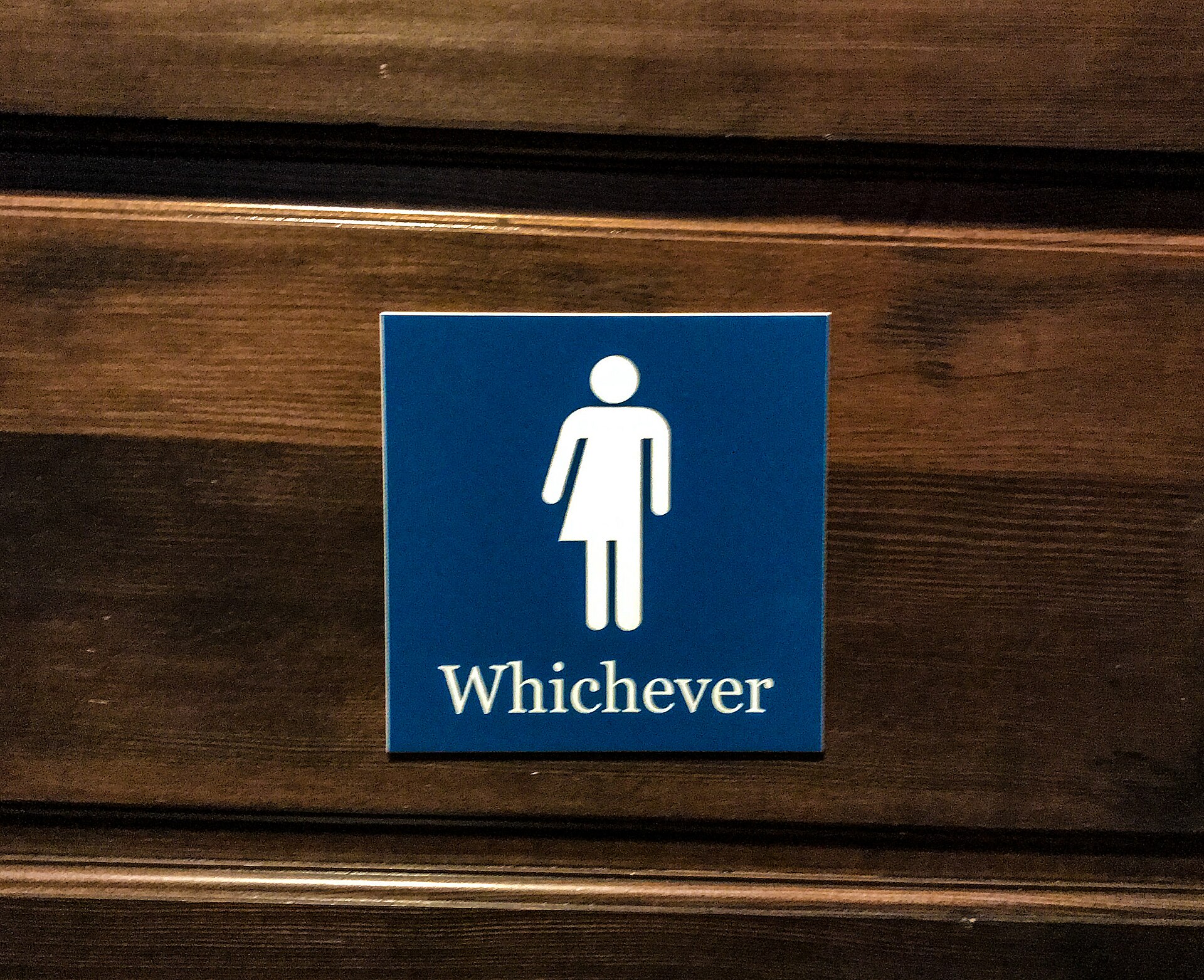
As courts and lawmakers overseas push back against gender ideology, growing efforts in New Zealand and the United States are seeking to reaffirm biological reality and protect women’s spaces.
25 May 2026
1.8 MINS
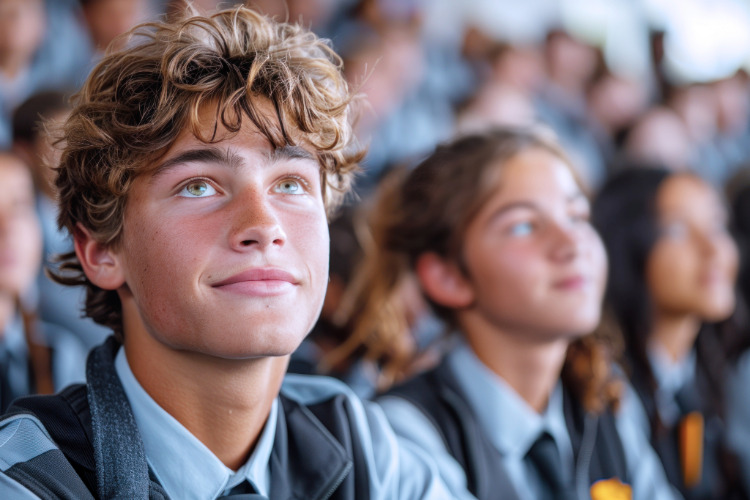
A 64% collapse in Australian history and politics enrolments demands a back-to-basics reset in Victorian education.

25 May 2026
3.3 MINS
Australia’s under-16s social media ban has gone viral, with more countries now moving to restrict children’s use of platforms like TikTok, Instagram and Facebook.
25 May 2026
3.7 MINS
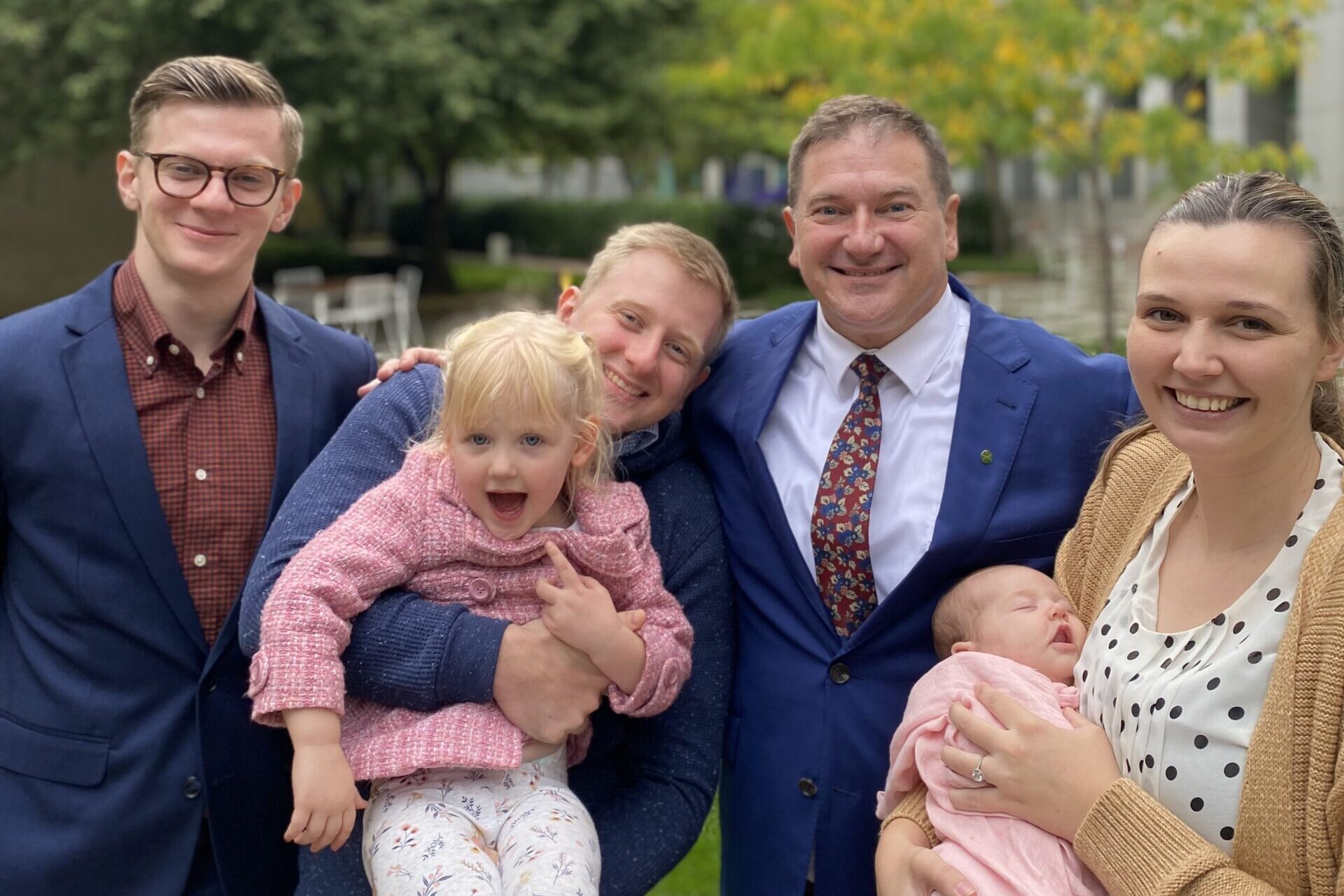
Llew O’Brien MP is the Shadow Special Envoy for Men and Boys. He's a man on a mission, and we need thousands more like him.
24 May 2026
3.7 MINS
God is doing a new thing, so we must roll up our sleeves, put our hands to the plough and get involved.
23 May 2026
3.7 MINS
Today is the National Day of Prayer. The theme from Joshua 3:5 is to consecrate ourselves. And contained within the verse is a remarkable promise: “for tomorrow the Lord will do great wonders among you.”


