



My Ancestors Were Slaves, But You Shouldn’t Have to Apologise
My family is originally from the Solomon Islands. And they came to Australia to work on the sugar cane plantations in Queensland. Called “Kanakas’, they were essentially treated like slaves.
One of the most formative experiences of my childhood was going with my father to Centrelink, to apply for possible government assistance. Even though we were not Aboriginal ourselves, or from the Torres Straits, a few of our relatives had started to identify as such, and were receiving significant financial benefits. And as such, they were encouraging us to do the same.
But my father came away from that meeting convinced that it was the wrong path for us to take — because if we did that, we’d never take responsibility for our lives — and instead of being a contribution to the society, we would instead be a burden.
Did my father or myself for that matter experience racism growing up? Sure. But when it did occur, people were quick to call it out. And we were never held back in life simple because of the colour of our skin, but were treated by the level of our achievements — and most of all, the content of our character.
My dad and mum, who herself was white, went on to start their own earthmoving business, and became heavily involved in both church and community groups. They both worked incredibly hard, and made many personal sacrifices for my sister and me to have opportunities in life…
Unfortunately, there are always going to be people who are racist. But I am deeply grateful for what our forebears have provided.
What’s more, I personally don’t want anyone to apologise, let alone pay reparations, for me, for what happened to my ancestors. And I don’t think that you should be made to feel guilty about doing so either.
If anything, as a Christian, I’m eternally grateful for what white missionaries, particularly within my own denomination of the Presbyterian church of Australia, did in bringing the Gospel to my forebears in the South Seas.
You see, we were lost in spiritual darkness, and by them giving up their so-called “white privilege”, we received salvation. As the Lord Jesus Christ Himself says, quoting from Isaiah 9:
“The people living in darkness have seen a great light;
on those living in the land of the shadow of death a light has dawned.”

A group of male and female South Sea Islander farm workers on a sugar plantation at Cairns in far north Queensland in 1890. (State Library of Queensland)
One Comment
Leave A Comment
Recent Articles:
23 September 2026
4 MINS
A renewed petition targets pro-life law professor Dr Joanna Howe, as she and husband James fight back against claims they say have damaged their careers and reputation.

23 September 2026
6.6 MINS
Government-funded research on boys, masculinity and the manosphere deserves rigorous scrutiny, especially when contested theories begin shaping education, regulation and public policy.
23 September 2026
4.2 MINS
For too long, maintaining regional Victoria’s crumbling roads has been an issue of “out of sight, out of mind” for the state’s incumbent Labor government.
23 September 2026
4.7 MINS
John Anderson challenges Nyadol Nyuon’s rejection of Anglo-Celtic culture, arguing that immigration, social cohesion, shared values and economic pressures cannot be separated.

23 September 2026
3.9 MINS
Italy’s euthanasia debate has reached a troubling new stage, with doctors facing criminal investigation after refusing to participate in assisted suicide.
22 September 2026
6.3 MINS
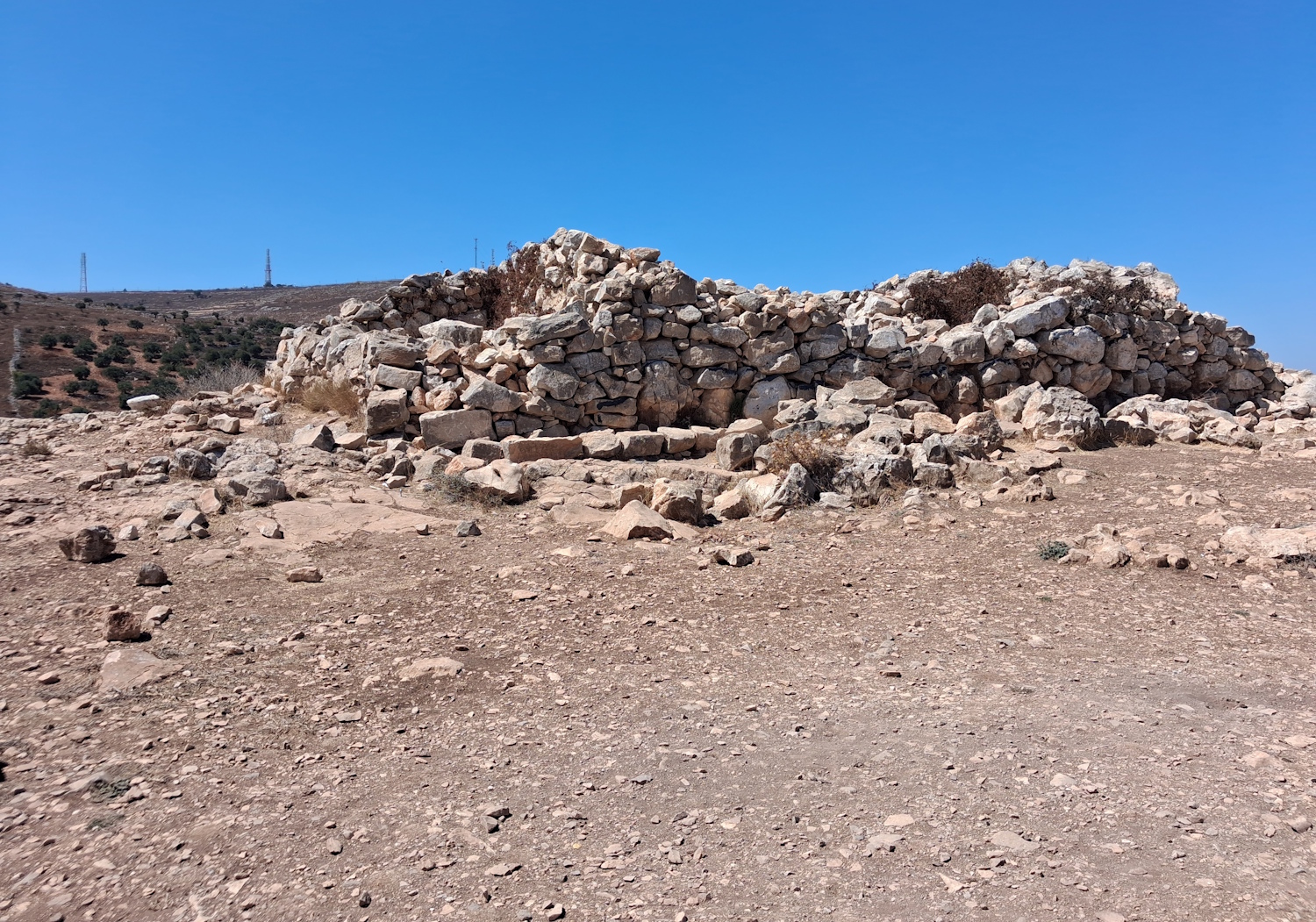
A remarkable journey to Mount Ebal explores Joshua’s altar, fascinating archaeological discoveries and the enduring biblical significance of Samaria and Israel’s ancient heritage.

22 September 2026
2.9 MINS
A downed US airman credits God, training and teamwork after surviving a devastating fall over Iran and enduring a remarkable rescue mission.



My husband and I visited some of the South Pacific Islands in 2019 and were surprised at how the Christian missionaries are still held in high esteem there. Sad that here in Australia the dedication of our own missionaries is not acknowledged.