



Why So Many Australians Still Defend Covid Overreach
New research claims that most Australians believe Covid lockdowns were justified, even after all the harm they caused. How accurate is the study — and what are the implications for our country?
A widely circulated Nine News article this week announced that “a new study finds fewer than one in 10 people thought lockdowns were ‘definitely too restrictive’.”
Summarising University of Tasmania research that unfortunately sits behind a paywall, the Nine News piece reports that a majority — or two-thirds — of Australians believe the severity and duration of Covid-19 lockdowns were “just right”.
A new study finds fewer than one in 10 people thought lockdowns were 'definitely too restrictive'. #9Newshttps://t.co/cvRbNm0UDv
— 9News Australia (@9NewsAUS) May 30, 2022
One in Five, Not One in Ten
On closer inspection, the “fewer than one in 10” teaser is somewhat misleading. Several paragraphs in, it becomes clear the study found that 8 percent of respondents viewed Covid lockdowns as “definitely too restrictive” and an additional 11 per cent believed they were “probably too restrictive”.
In other words, 1 in 5 Australians — or almost 5 million people if the study is accurate — took issue with excessive government intrusion on their lives over the last two years.
Given the small sample size of just 1162 respondents, further research is needed to provide a fuller picture of Australian attitudes to our nation’s Covid response.
Even so, the finding that two thirds of Aussies still today justify government lockdowns — even after the momentous damage they have wrought — remains baffling to many.
Indeed, some of the worst Premier-led abuses came long after we knew about Covid’s 98.8% survival rate; understood who was most vulnerable and how to protect them; and had access to a swathe of effective early treatments.
Worse still, some Premiers further eroded public trust by keeping restrictions in place long after they achieved their envied jab targets.
The Sunk-Cost Fallacy
Assuming the two-thirds statistic is accurate, there is a psychological explanation that may help shed light on Australians who still defend government overreach.
The sunk-cost fallacy describes people’s tendency to throw good money after bad in the belief that prior investments justify further expenditures. Put simply, the more you’ve spent on something, the less willing you are to let it go or admit that your spending was a mistake.
What is true in the realm of money also applies in relationships. Sadly, it is all too common for people to remain in failing relationships because they feel they’ve invested too much to leave.
In the case of harsh Covid lockdowns — and the sky-is-falling narrative long used to justify them — many Australians became so dug-in on the issue that it now feels impossible for them to abandon that position.
Sad stories abound of people ending relationships with friends and family members who challenged the mainstream narrative on lockdowns, masks and vaccines. Many workplaces, schools, churches and other institutions were so taken by Covid panic that they drove away some of their best people.
For such enthusiasts to now concede that the government took Covid restrictions too far would be to admit they made countless mistakes in their own lives and relationships. Far safer to continue believing the powers that be know best, even after all the suffering that was caused.
At Least We’re Not Shanghai
I have just returned from a six-week trip to the United States. I travelled through both red and blue states and spoke to people from across the political spectrum about Covid restrictions. And I noticed a curious phenomenon.
Those who were, in principle, supportive of government lockdowns and mandates tended to justify what they were subjected to personally, while viewing any restrictions that went further as too harsh.
When I explained how unhinged Australian governments were regarding Covid, liberal-leaning Americans were genuinely shocked. Nevertheless, they remained grateful for the restrictions they endured.
The same pattern can be observed in Australia. Covid enthusiasts here — as many as two thirds of the country, apparently — still justify a horrific log of human rights abuses. But what the residents of Shanghai have suffered in recent months? What tyranny!
If we could speak to Shanghai’s captives about all things Covid, we would doubtless find many ‘simping’ for their communist overlords, but grateful they don’t have it as bad as North Korea.
The logic is laughable, yet still embraced by too many.
Covid mania has come and (now mostly) gone. But the psychological shift it has brought about in a majority of Australians will remain with us for years to come.
How it might be exploited for the next great apocalyptic fad is anyone’s guess.
Image by Unsplash.
3 Comments
Leave A Comment
Recent Articles:
19 February 2026
3 MINS
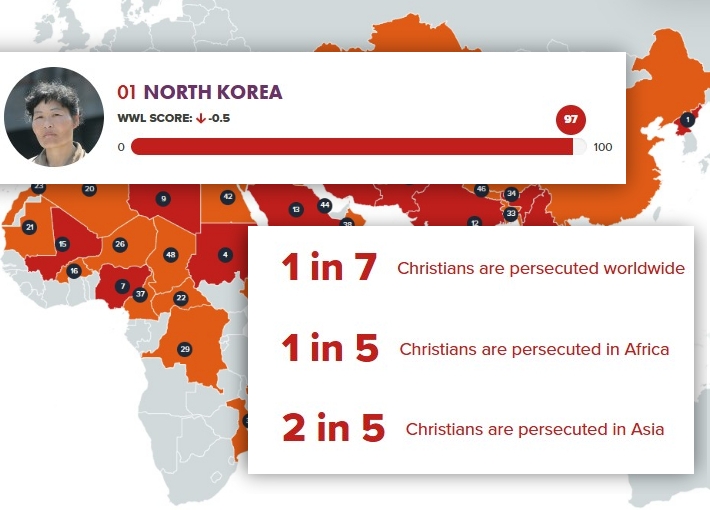
The 2026 Open Doors watchlist reveals worsening global persecution, with North Korea again leading and Syria surging amid instability, extremism and growing hostility toward Christians.

19 February 2026
4.8 MINS
Drawing on R. J. Rushdoony’s "The Foundations of Social Order", this article examines how states weaponise “forgiveness” and sin, warning that only Christ’s grace can truly liberate conscience and restrain tyranny.
19 February 2026
6 MINS
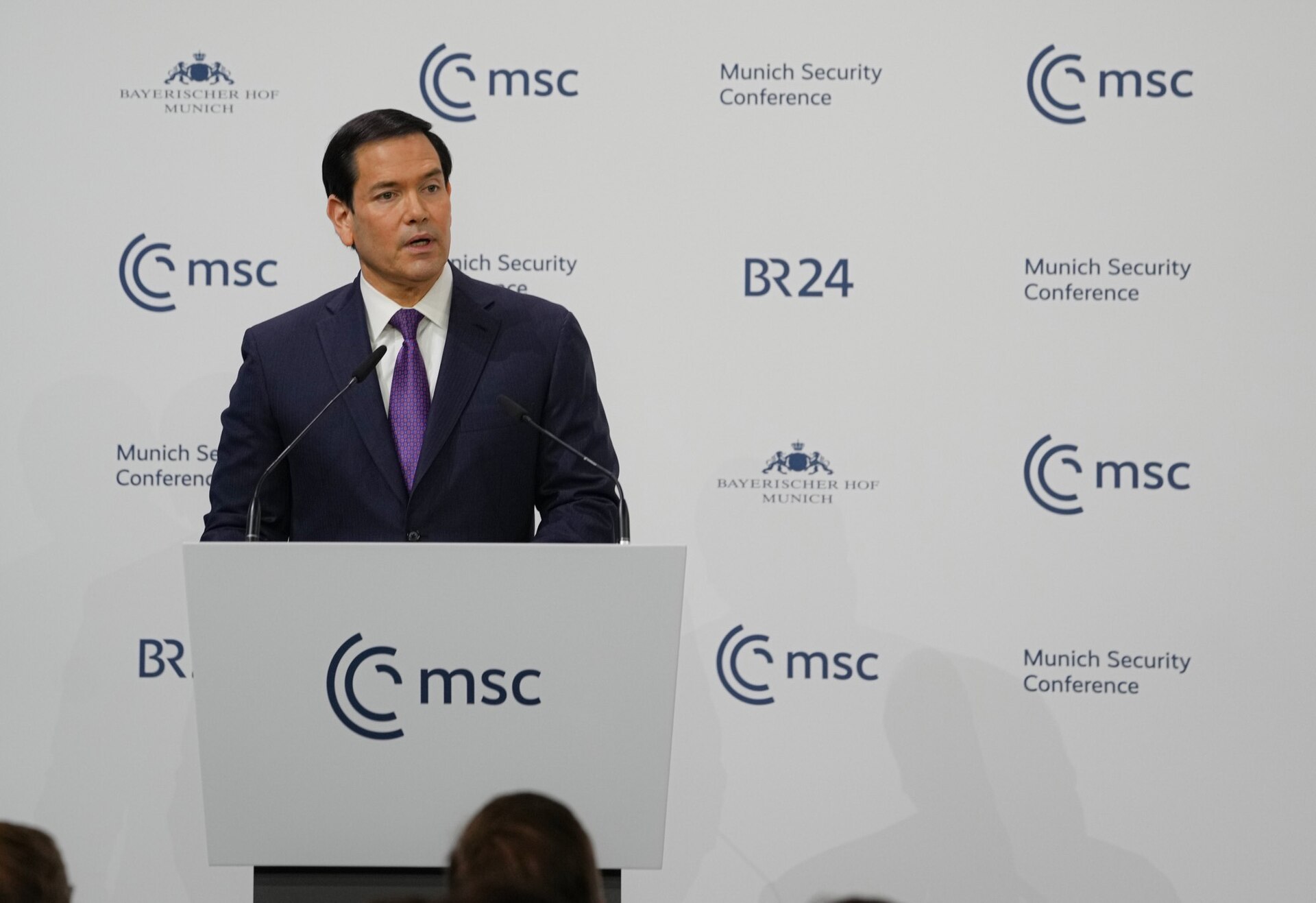
In a bold Munich address, US Secretary of State Marco Rubio urges Europe to reject globalism, restore sovereignty, and revive Christian-rooted Western civilisation alongside America’s renewal.
19 February 2026
1.9 MINS
St Vincent de Paul Society NSW hosted the local launch of the Australian Catholic Bishops Conference 2026 social justice statement, urging practical action to confront Australia’s deepening cost of living and housing crisis.

18 February 2026
5.3 MINS
Thousands rallied in Melbourne backing Iran’s pro-democracy movement, with former MP Keith Wolahan urging support for regime change and warning of rising Islamist extremism at home.

18 February 2026
2.6 MINS
Leaked documents reveal the New Zealand Defence Force used fictional Evangelical Christian “insurrectionists” in war games, sparking debate over ideology, military training, and narrative warfare.

18 February 2026
7 MINS
A sweeping study suggests the real divide between Left and Right lies not in policy, but in how each orders empathy — from family and nation to all humanity.





Thanks Kurt for an accurate analysis of the lockdowns which destroyed many small businesses. Mainstream media is not reporting suicide rates have gone up as result of that prolonged lockdown of the healthy people. I think lockdown trauma will be suffered by many in years to come.
Shocking that people are blind to the devastation to the economy….I have several friends who are still out of work because of mandates… we have been groomed for total tyranny…. And the majority seem to be asleep still…… God help us all.
Shocking that people are blind to the devastation of the economy….I have several friends who are still out of work because of mandates… we have been groomed for total tyranny…. And the majority seem to be asleep still…… God help us all.