



Lights Out for Australia?
Nation First explores why a blackout risk is expected across eastern Australia starting from 2025.
The start of the 2020s has been nothing short of depressing for most of the world.
It started off with a global ‘pandemic’ (or, at least, a massive overreaction to it), a resultant severe economic downturn, a major conflict (in Ukraine) and a new era of stagflation.
Given that the decade has just started and so much has already happened, one cannot help but be pessimistic.
Australians have every reason to be pessimistic because this year’s and next year’s period of economic recession is highly likely to be followed by an indefinite electricity shortage.
Failing to Plan
According to the Australian Energy Market Operator (AEMO), the earlier-than-expected closure of the Eraring Powerplant — the biggest in the country — in 2025 risks creating a severe electricity shortage across eastern Australia, leading to blackouts.
To be more precise, the states of New South Wales, Queensland, and Victoria could suffer an electricity deficit of 590 MW, 770 MW, and 330 MW respectively.
Even more worrying still, there is a lack of concrete commitment on part of any energy company of building new baseload power plants to offset the deficit, given the cost of fuel and the uncertain market conditions caused primarily by the green political push for net zero.
Many are also reluctant to open a new plant, citing that an influx of both wind and solar plants has effectively made running coal and gas power plants uneconomical.
This is due to the fact that wind and (more so) solar, costing near zero to operate, usurp the daytime power demand (and profits), leaving traditional baseload power to deal with the night-time market which is minimal.
Of all of the energy companies present in Australia, only one, Energy Australia, has made a commitment to building a new gas-fired powerplant.
However, once running, it probably won’t be generating enough electricity to close the gap.
Lack of Leadership
In times like these, governments usually play a role as facilitators of the private sector, lending a helping hand in ensuring public needs are met without risk of a business loss in the process.
There was no real commitment shown by the former Liberal National government in this regard and there is unlikely to be any commitment from the new Labor government, given especially their opposition to anything but so-called ‘renewables’.
If anything, being a near-minority government with no control over the Senate, Labor is likely to try and strike an alliance with the Greens to ensure their government remains in power and can get laws through the parliament.
In fact, that process has already begun.
The Greens are fanatically opposed to any form of serious baseload power — coal, gas or nuclear — and have an agenda that includes the closure of all coal-fired plants by 2030.
Hence, what we could see instead is an even bigger blackout crisis emerge across the next eight years, limited not just to eastern Australia but the entire country.
Hard Times
To appease the Greens, Labor will have to close down more power plants and, with all the aforementioned reasons plus a recession, there simply won’t be enough investment pouring into renewables to overcome the energy deficit.
Blackouts, in turn, will affect businesses, many of which will be struggling with the economic crisis the country is heading into, leading to their closure or downsizing.
This, of course, would mean a sharp rise in unemployment.
It is ironic that a rich developed country like Australia which also happens to be a major energy giant is soon about to struggle to supply its own citizens with electricity.
Get used to regular blackouts.
Get used to bans on the use of heaters, air conditioners and dishwashers in your own homes.
Get used to a country without a serious industrial employment base.
Because it’s either that or we get rid of the woke green element that’s captured our national political agenda.
___
Originally published at Nation First. Photo by Claudio Schwarz on Unsplash
One Comment
Leave A Comment
Recent Articles:
21 October 2026
3.5 MINS
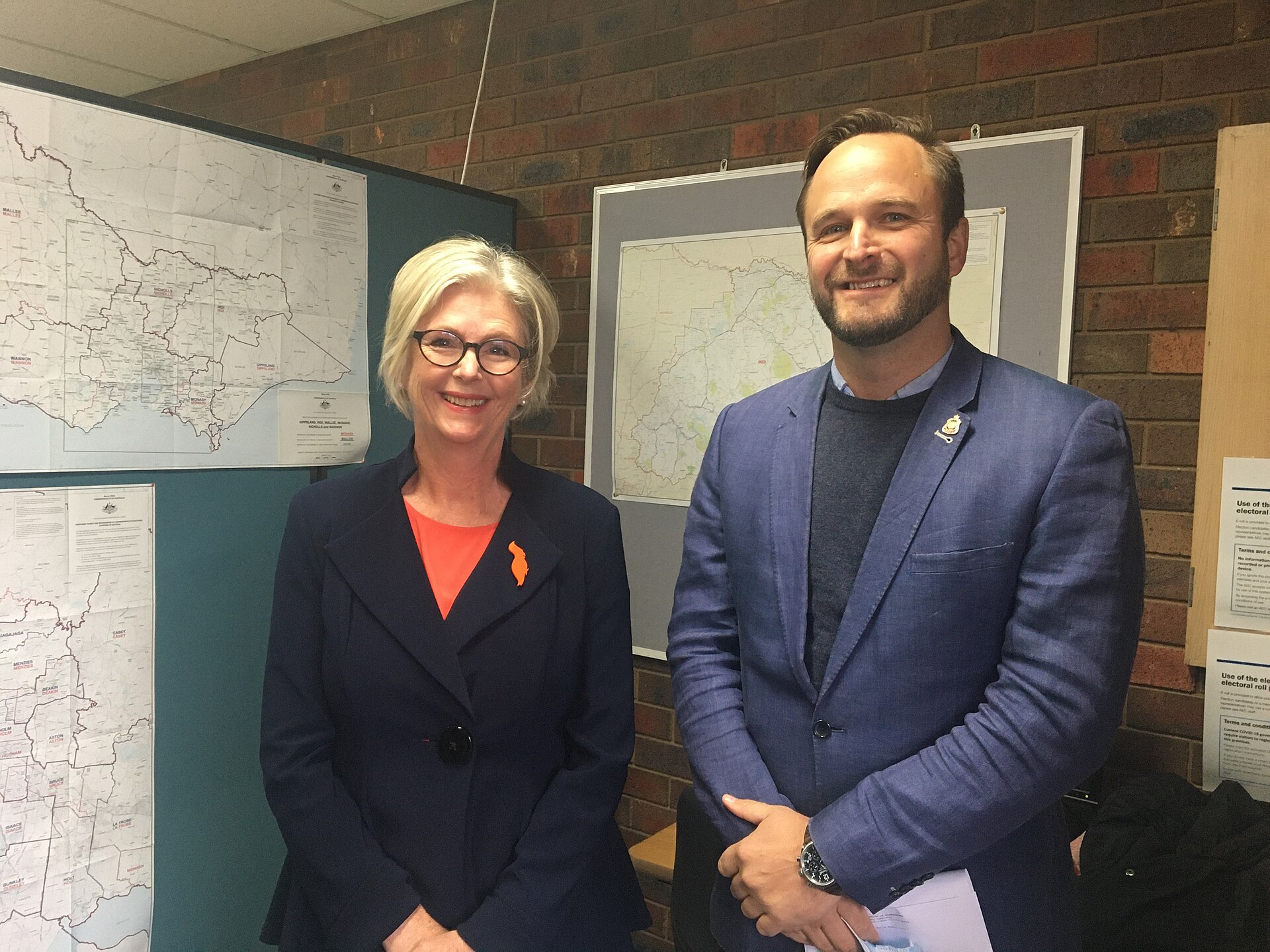
The alleged attack on Helen Haines demands condemnation, but rising threats against politicians also raise questions about public trust, political intimidation and selective outrage.
21 October 2026
3.5 MINS
Ben Carroll has called for an end to hateful political rhetoric, but his treatment of Pauline Hanson raises questions about how consistently he applies that standard.
21 October 2026
7.9 MINS
A collection of sobering reflections on Western civilisation’s decline, the loss of Christian foundations and the dangers of cultural complacency, ending with a message of enduring Christian hope.

21 October 2026
3.4 MINS
If we want to avoid being compliant — even unintentionally — with ungodly ideas, we need to feed our souls with food that is in accord with God’s reality.

21 October 2026
3.4 MINS
Christians were accused of "turning the world upside down" in Acts 17:6. Let's pray to awaken the Church and do exactly that.

20 October 2026
4 MINS
Olympic champion Stephanie Rice has faced a wave of online ridicule after revealing she resigned from her dream job following what she believes was God’s direction.

20 October 2026
7.7 MINS
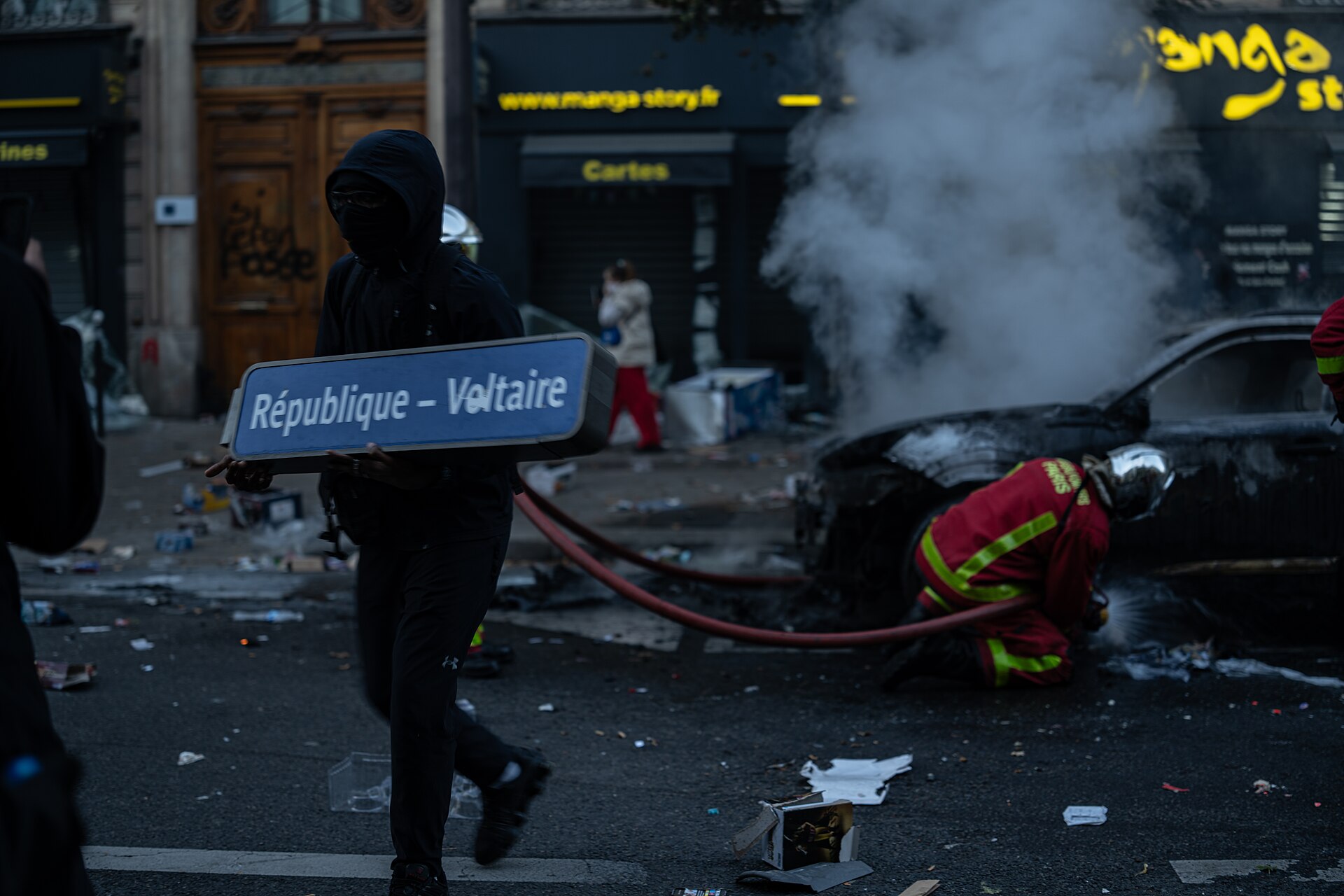
France and Europe are burning — is it too late to save them from the barbarians?



As if that wasn’t enough, we also have billionaires like Mike Cannon-Brookes trying to force AGL to retire its coal plants early. Incredibly, his opinion is “the company’s transition away from coal-fired power generation needs to happen faster than planned if the nation’s power supply is to be more stable and prices are to sink.” (https://www.abc.net.au/news/2022-05-30/mike-cannon-brookes-agl-demerger-gone-new-takeover-bid-possible/101111274)