



Heritage Report: Youth Suicidality Linked to Puberty Blockers and Sex-Change Hormones
A study by the conservative Heritage Foundation‘s Center for Education Policy has claimed that increasing minors’ access to cross-sex medical interventions does not necessarily decrease suicidality among youth, as is commonly claimed. In fact, according to the report, “it likely leads to higher rates of suicide among young people in states that adopt these changes”.
The findings were published just a month and a half before an independent review deemed the controversial UK Tavistock Gender Clinic to be “unsafe”. Since then, Tavistock has been engulfed in legal action, with around 1000 families expected to sue the medical clinic.
Youth Suicide and Cross-Sex Interventions: The Report
Dr Jay P. Greene, PhD, a Senior Research Fellow in The Heritage Foundation’s Center for Education Policy authored the recent report, entitled “Puberty Blockers, Cross-Sex Hormones, and Youth Suicide”.
Dr Greene, a former Distinguished Professor and head of the Department of Education Reform at the University of Arkansas, is a leading education policy expert in the United States. He has published dozens of articles in leading peer-reviewed journals, and his research has been cited by the US Supreme Court.
The Heritage Foundation is a hugely influential conservative public policy think tank based in Washington, D.C. The group claims over half a million members, and its websites (The Daily Signal, Heritage Action and The Heritage Foundation) receive millions of visits every month.
Puberty Blockers and Hormones Lead to Higher Suicidality
Dr Greene’s report compares states in the USA that permit youth access to health care without parental consent with states in which parental consent is required.
“In the past several years, the suicide rate among those ages 12 to 23 has become significantly higher in states that have a provision that allows minors to receive routine health care without parental consent than in states without such a provision. Before 2010, these two groups of states did not differ in their youth suicide rates. Starting in 2010, when puberty blockers and cross-sex hormones became widely available, elevated suicide rates in states where minors can more easily access those medical interventions became observable.” (emphasis in original)
According to the report, the pattern observed in Dr Greene’s research indicated that “easier access by minors to cross-sex medical interventions without parental consent is associated with higher risk of suicide”.

The findings were stark when visualising the suicide rate in states with higher levels of access compared with those with a higher level of parental control.
Report Conclusions and Recommendations
In his discussion of the findings, Dr Greene concludes:
“… efforts to lower legal barriers for minors to receive cross-sex medical interventions do not reduce suicide rates and likely lead to higher rates among young people in states that adopt those changes. States that currently facilitate minors’ access to routine health care without the consent of a parent or legal guardian should consider revising such policies. States should also adopt parental bills of rights that affirm that parents have primary responsibility for their children’s education and health, and that require schools to receive permission from parents before administering health services to students, including medication and gender-related counseling to students under age 18.”
News Coverage of the Report
Perhaps unsurprisingly, the research was covered only by right-leaning outlets, including the Washington Times, The Daily Wire and Fox News.
Several outlets and LGBTQ+ advocates and health care professionals criticised the report’s methodology on Twitter — some going so far as to call it a “junk study”. However, none appeared to respond to the critiques that Dr Greene levelled against mainstream research methodologies.
___
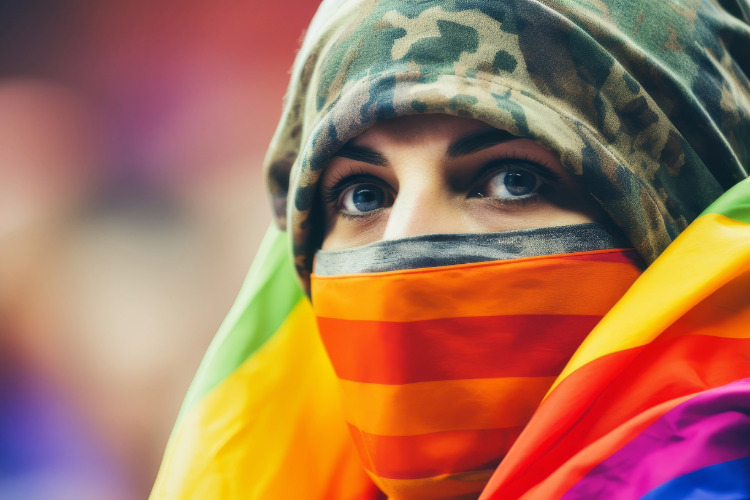
Photo by cottonbro.
Recent Articles:
23 October 2026
13.1 MINS
Tasmania’s proposed conversion practices legislation raises serious questions about religious freedom, pastoral care and whether Christians can freely pray with those seeking to live according to their faith.

23 October 2026
5.1 MINS
France’s escalating riots expose the dangers of political extremism, antisemitism and radical alliances, offering America a stark warning about the future of Western democracy.

22 October 2026
4.7 MINS
Western Australia’s proposed anti-discrimination overhaul has sparked warnings from Christian leaders that religious freedom, parental choice and faith-based schools’ ability to uphold their beliefs are at risk.

22 October 2026
2.9 MINS
An Israeli political candidate claiming a remarkable biblical identity has sparked questions about false messiahs, the Antichrist and how Christians should interpret prophecy.

21 October 2026
3.9 MINS
Evangeline Lilly walked away from Hollywood to pursue a deeper purpose. Today, her Christian faith, humanitarian calling and passion for human creativity shape her next chapter.

21 October 2026
7.9 MINS
A collection of sobering reflections on Western civilisation’s decline, the loss of Christian foundations and the dangers of cultural complacency, ending with a message of enduring Christian hope.

20 October 2026
7.7 MINS
France and Europe are burning — is it too late to save them from the barbarians?


