


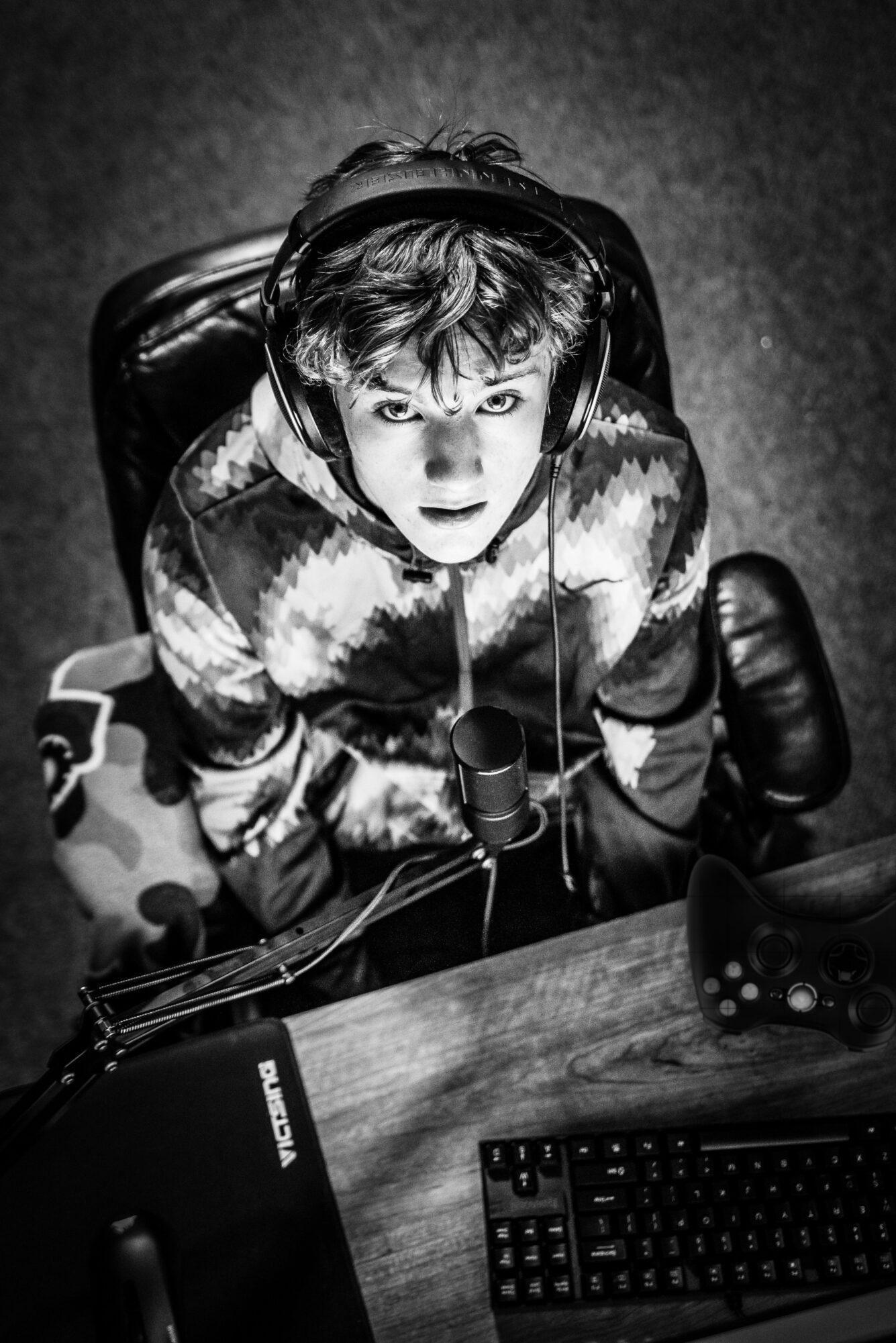
Pornography: Protecting Our Kids From the New Public Health Crisis
At the dawn of the Sexual Revolution in the 1960s and 70s, many were sounding the alarm about the impact pornography would have if it became widely available.
Through the 80s and 90s, Christians especially were objects of ridicule for their social and political stance against it.
Fast-forward to today, and pornography is thoroughly mainstream. Studies regularly find that the majority of adults—male and female—consume pornography with some level of frequency.
The biggest porn website has 33.5 billion visits every year—that’s over 1,000 visits a second. More people view pornography every month than Amazon, Netflix and YouTube combined.
Though you won’t hear much about it from mainstream news, research is now shedding light on the grim results of this decades-long experiment.
Studies have drawn links between pornography and a host of social ills such as depression, anxiety, stress, decreased sexual satisfaction, negative views of women, sexual violence, and even sex trafficking. “It’s not hurting anyone” has turned out to be a momentous myth.
In fact, the impacts of pornography have concerned American lawmakers enough that they’ve declared porn a public health crisis in 15 states.
The harms to children are especially concerning, given that today’s kids represent the first generation ever to be raised on tablets and mobile devices.
Thinking this through, we shouldn’t be surprised then when surveys find that 90% of boys and 70% of girls have visited porn sites by the time they’re 18; that the average age children first view porn is 11; and that 50% of teens come across porn at least once a month, whether they search it out or not.
But it’s not all bad news.
A number of nations have begun enacting age verification laws. Beginning next year in the UK, pornographers will be legally responsible for verifying the age of their customers using a third-party secure site. New Zealand is about to do the same.
Now the Australian government is considering these measures. And you can have a say in the process.
The Standing Committee on Social Policy and Legal Affairs is taking written submissions until Friday the 25th October, 2019. You can make your submission, however brief, at this link.
This isn’t about censorship. It’s about child safety, and making sure that children can enjoy a porn-free childhood.
Remember to make your submission to the inquiry before next Friday.
The next generation will thank you.
Recent Articles:
7 October 2026
3.6 MINS
Victoria’s 18th March for the Babies will bring families together to peacefully affirm the value of every human life and call for a cultural change towards life.

7 October 2026
3.7 MINS
Christians have their differences. But those differences should not, and need not, result in us being disconnected from each other in the one body of Christ.

6 October 2026
6.7 MINS
Fresh revelations about the foiled FlyDubai terror plot expose the attacker’s alleged extremist history, while a courageous pilot’s actions prevented an unthinkable catastrophe.
6 October 2026
6.2 MINS
Britain’s grooming gang scandal exposes a devastating failure to protect vulnerable children, raising urgent questions about political correctness, accountability, immigration and the loss of moral courage.

6 October 2026
3.8 MINS
A grandmother’s disputed death has put Canada’s euthanasia regime under fresh scrutiny, as the Medical Assistance in Dying (MAiD) program passes 100,000 deaths with a further expansion slated for 2027.
6 October 2026
3.3 MINS
We often talk about church renewal as though we need more people, more programmes, more energy and more resources. But Jesus seems to start somewhere much smaller. With two or three.
5 October 2026
4.9 MINS
Free Speech Union co-founder Reuben Kirkham warns Australia’s proposed Digital Duty of Care could expand censorship powers, undermine free expression and bypass recent legal protections.


