



Anti-Euthanasia: Listening to the Voice of First Nations Peoples
Munganbana Norman Miller, Convenor of the Voice of First Nations Peoples Against Euthanasia, said from Cairns today that “All lives matter and Black Lives Matter.”
He said,
“Because the Queensland government will be introducing Voluntary Assisted Dying legislation into parliament this week, we have to speak out and be heard as First Nations People need a Voice in this debate. I am of the Jirrbal, Bar-Barrum and Tableland Yidinji tribes.
“For Aboriginal and Torres Strait Islander people, our connection to a spiritually defined country or land is vital. Our identity is based on the land or marine habitat we come from and the people of that land we are affiliated with, past, present and future. We are connected through the story places of our country, passed down through generations,” said Munganbana.
“So, to die in a hospital in Cairns or elsewhere, a long way away from our country, kin and community is a tragedy. That’s why we need better palliative care in our communities. We do not want a lonely death in a strange place where we cannot practice our customs,” he said.
“It is hard enough for many First Nations people to cope with the medical system where control over our lives seems to be taken from us and given to doctors and nurses. This loss of control and reduced health to make sound decisions leaves us vulnerable. But to add to this the expectation that we should choose to die early in assisted suicide or VAD, so that we are no longer a burden, is disgraceful. This leaves our people open to pressure.
“For First Nations Peoples, death is a community matter, not just an individual decision. The death of a person puts their whole community into mourning and normal business is stopped so “sorry business” can be observed.
“Government-sponsored death is a disgrace and a tragedy for First Nations Peoples and our community-based culture.
“We who are opposed to voluntary assisted dying strongly support a ‘care first’ approach of high-quality palliative care for all Queenslanders,” continued Munganbana.
“Every Queenslander has the human right to have equal access to good quality palliative care before a policy default to euthanasia. First Nations peoples in Queensland, particularly remote communities, require urgent boosting of funding for palliative care.
“I am glad the Queensland premier has said there will be a conscience vote as there should be on such a sensitive matter which is really a moral issue.
“The legislation should pass the Public Interest Test which has three concepts — the common good, human dignity and autonomy. Understanding the public interest also requires us to engage with our First Nations Peoples with this conversation.
“Rushing to introduce euthanasia when rising suicide rates are a national problem is hard to understand and against the public interest, especially for First Nation Peoples.
“Regarding autonomy when it comes to people with disability, the aged and the terminally ill, there are many pressures to reduce their autonomy by encouraging assisted suicide or the no-treatment option which results in death.
“Assisted suicide and euthanasia are illegal in Queensland. Let’s keep it that way and provide better palliative care,” said Munganbana.

2 Comments
Leave A Comment
Recent Articles:
26 October 2026
4.5 MINS
OECD chief Mathias Cormann warns Australia is losing its competitive edge, as excessive regulation, housing pressures, immigration challenges and declining public trust threaten national prosperity.
26 October 2026
2.5 MINS
Nation First exposes the rush to weaponise the Haines attack against Pauline Hanson, conservative voices and men before investigators established a motive.
26 October 2026
5.1 MINS
Anthony Albanese calls for civility after the Helen Haines attack, but revelations of a political dirt file raise uncomfortable questions about his government’s own conduct.

26 October 2026
3 MINS
Australia’s national resilience inquiry overlooks a critical weakness: decades of deindustrialisation have left the nation dangerously dependent on imports, unprepared for compounding threats and strategic disruption.
26 October 2026
2.9 MINS
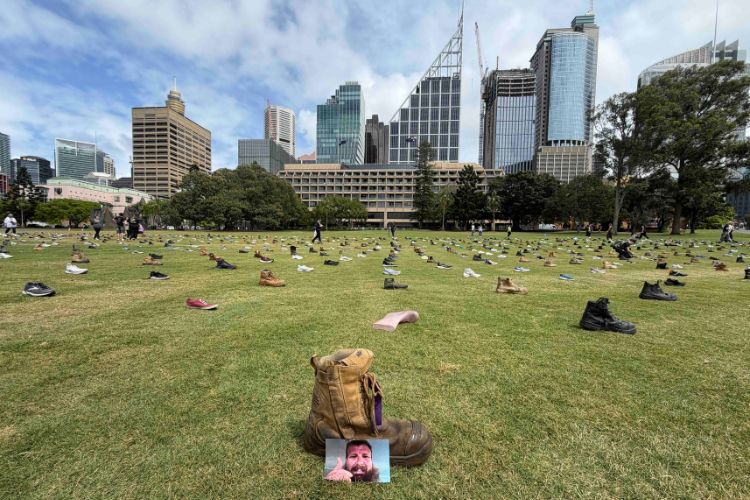
A powerful display of thousands of shoes highlights Australia’s escalating male suicide crisis, while Dads4Kids celebrates fatherhood, family connections and practical action to strengthen generations.
26 October 2026
3.2 MINS
Following Paul's example in Ephesians 1, let us pray for the Father to open the eyes of our hearts so that we may grasp the hope of his calling, the riches of his glorious inheritance in the saints, and the greatness of his power towards us who believe.

25 October 2026
4 MINS
Prayer is active partnership with God, and he is awakening his body to prayer, not by might or by power, but by his Spirit.



It’s sounds like everything you are asking for, are the same reasons the majority of Australians want VAD legislation introduced.
I don’t mean to be disrespectful but do you understand what VAD actually is?
You say:
“So, to die in a hospital in Cairns or elsewhere, a long way away from our country, kin and community is a tragedy. That’s why we need better palliative care in our communities. We do not want a lonely death in a strange place where we cannot practice our customs,” he said.”
We say:
Isn’t that what most people want- aboriginal or not? This is exactly what VAD will provide.
You say:
“It is hard enough for many First Nations people to cope with the medical system where control over our lives seems to be taken from us and given to doctors and nurses. “
We say:
Yes yes and yes- we all agree , it’s hard for everyone which is why we want choice.
You say:
“The legislation should pass the Public Interest Test which has three concepts — the common good, human dignity and autonomy.
We say:
Yes yes and yes, the exact same three reasons why most Australians want VAD legislation.
There are no differences- we all want the same, choice, a dignified and peaceful death- basic human rights????
Fiona you say your arguments for VAD are the same as our arguments against. That is simply not true.