


USA tries to impose LGBT “morality” on Singapore
On 4 February 2021, then newly-elected United States President Joe Biden signed a “Memorandum on Advancing the Human Rights of Lesbian, Gay, Bisexual, Transgender, Queer, and Intersex Persons Around the World”.
The Memorandum directed US agencies abroad to do many things, including to “combat the criminalization by foreign governments of LGBTQI+ status or conduct and expand efforts to combat discrimination, homophobia, transphobia, and intolerance on the basis of LGBTQI+ status or conduct” and to “strengthen the role, including in multilateral fora, of civil society advocates on behalf of the human rights of LGBTQI+ persons”.
On 17 May 2021, the US Embassy in Singapore flew the Pride flag at the embassy “in honor of the International Day Against Homophobia, Transphobia, and Biphobia”. I see that US embassies elsewhere, such as in Kuala Lumpur (Malaysia), have also sought to promote the LGBTQI+ cause.
It also co-hosted a webinar with local lesbian, gay, bisexual and transgender (LGBT) non-profit organisation Oogachaga.
All of this is while Singapore is under review for its human rights record at the Universal Periodic Review. Many Western governments and international organisations routinely lecture Singapore on how it should change its laws and policies to support LGBTQI+ causes.
But, before we even speak about human rights, are we able to agree on what it means to be “human”, and what is necessary for human flourishing? More than human rights, what about human responsibilities?
Here is an important principle:
Human rights + human responsibilities = human flourishing
Human rights – human responsibilities = human floundering
I believe that all human beings have intrinsic value and worth, and deserve to be treated with respect. We should all be protected from harm to our lives, liberty and property.
But human rights and responsibilities must be understood in the context of each society, rather than in abstract or theoretical terms. We should not confuse human rights with political or ideological claims.
Singapore is an independent country. It is up to Singaporeans to decide the future of the country for ourselves, and to find a proper balance of human rights and responsibilities so that the country can flourish.
It is not the role of foreign governments or organisations to decide these questions on our behalf, and I am thankful that the Singapore government has maintained strict laws and policies against foreign intervention in domestic politics.
The Ministry of Foreign Affairs has also reminded the US Embassy that “foreign missions here are not to interfere in our domestic social and political matters, including issues such as how sexual orientation should be dealt with in public policy.”
I hope that Singaporeans will heed the wise words of Prime Minister Lee Hsien Loong, during the debates over Section 377A of the Penal Code in 2007:
“On issues of moral values with consequences to the wider society, first we should also decide what is right for ourselves, but secondly, before we are carried away by what other societies do, I think it is wiser for us to observe the impact of radical departures from the traditional norms on early movers.
These are changes which have very long lead times before the impact works through, before you see whether it is wise or unwise. Is this positive? Does it help you to adapt better? Does it lead to a more successful, happier, more harmonious society?
So, we will let others take the lead, we will stay one step behind the frontline of change; watch how things work out elsewhere before we make any irrevocable moves…”
When we see the degree of unrest and polarisation in countries like the US, do we honestly think that blindly adopting US- or Western-style ideas about human rights or freedom of individual expression will be better for Singapore?
I think not.
Singapore’s success as a nation is the result of a hard-won effort to build social harmony regardless of race, language or religion. We have managed to thrive as a society because of a careful balance of our rights and responsibilities to one another. These are worth preserving and protecting for generations to come.
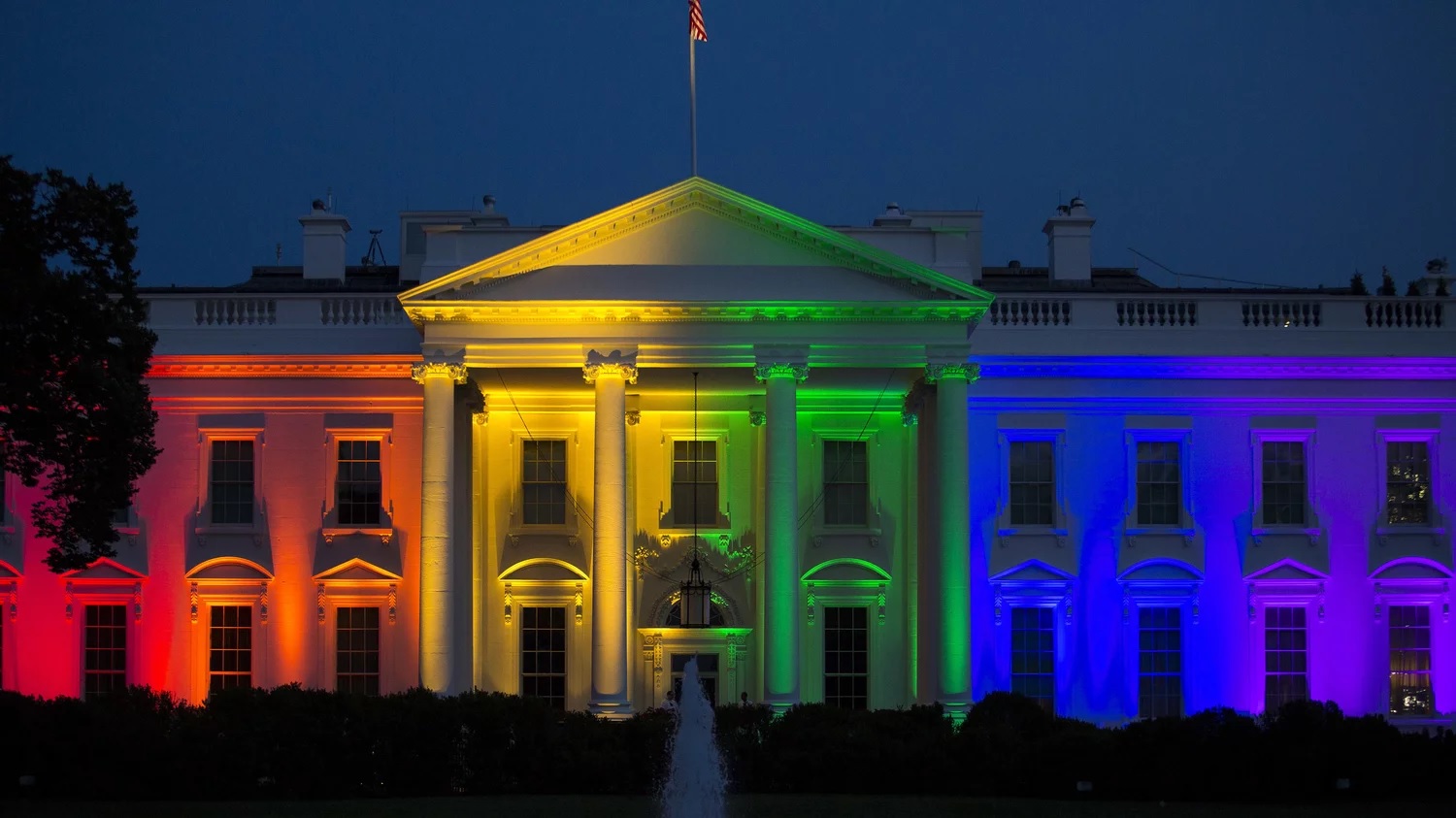
[Photo: The White House was illuminated in rainbow-coloured light on June 26, 2015, after the Supreme Court issued a ruling that made same-sex marriage legal nationwide. Drew Angerer/Bloomberg via Getty Images]Recent Articles:
26 October 2026
2.5 MINS
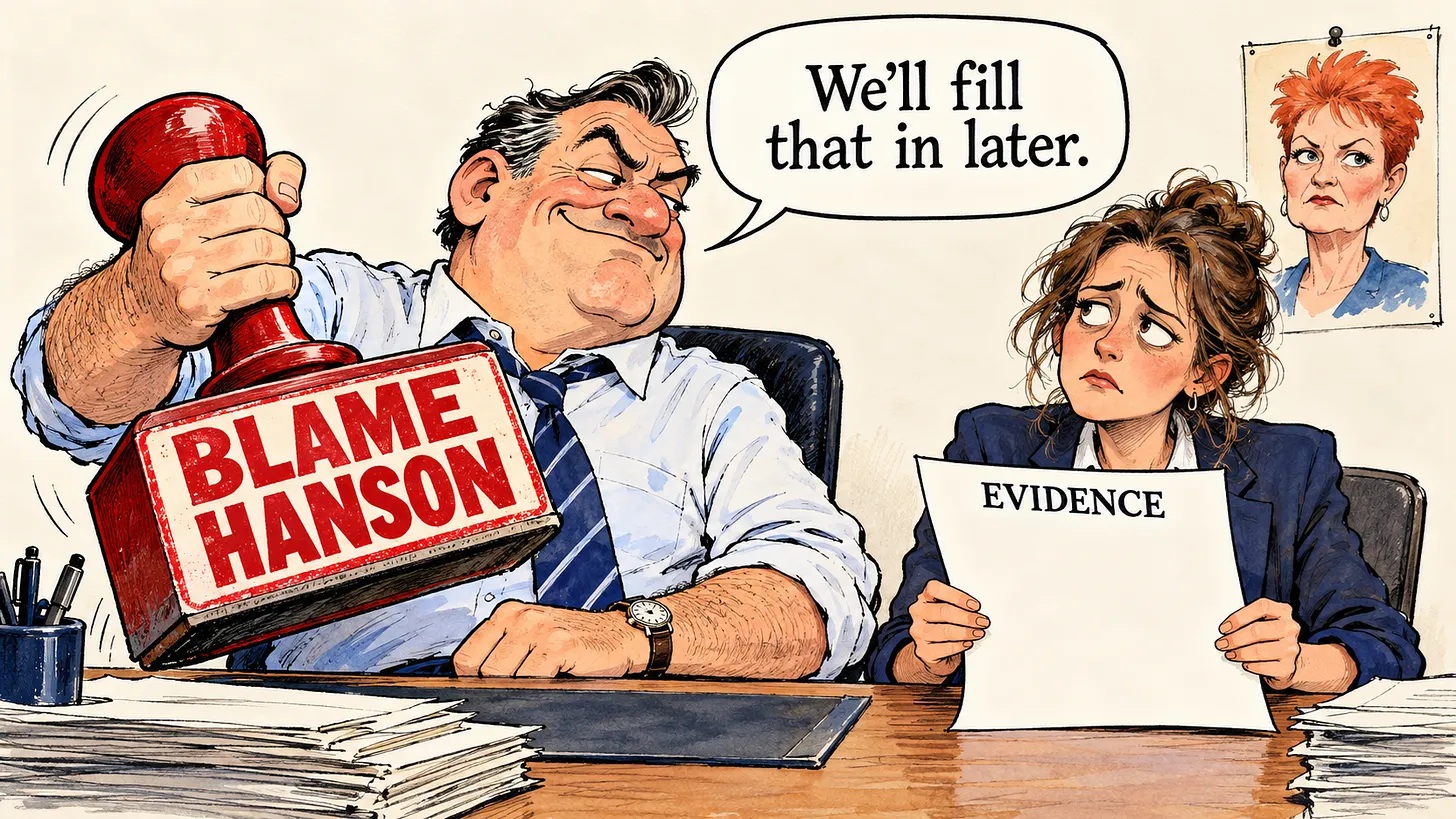
Nation First exposes the rush to weaponise the Haines attack against Pauline Hanson, conservative voices and men before investigators established a motive.
26 October 2026
5.1 MINS
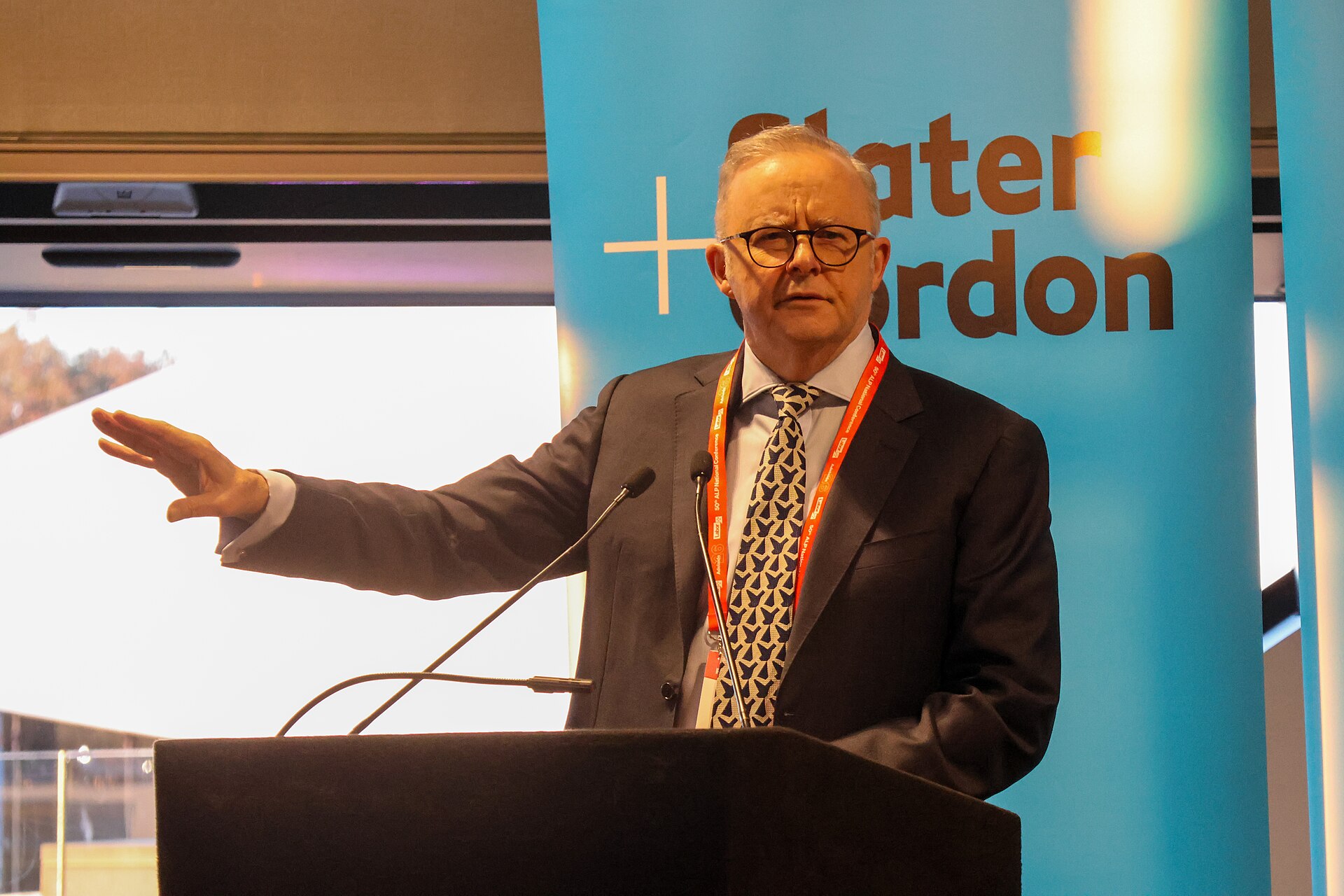
Anthony Albanese calls for civility after the Helen Haines attack, but revelations of a political dirt file raise uncomfortable questions about his government’s own conduct.
23 October 2026
13.1 MINS
Tasmania’s proposed conversion practices legislation raises serious questions about religious freedom, pastoral care and whether Christians can freely pray with those seeking to live according to their faith.
23 October 2026
3.1 MINS
As Western societies grow more hostile, could abandoning Christianity’s moral foundations be contributing to the rise of ideological extremism, political intolerance and violence?
23 October 2026
5.1 MINS
France’s escalating riots expose the dangers of political extremism, antisemitism and radical alliances, offering America a stark warning about the future of Western democracy.

22 October 2026
2.9 MINS
An Israeli political candidate claiming a remarkable biblical identity has sparked questions about false messiahs, the Antichrist and how Christians should interpret prophecy.

21 October 2026
3.9 MINS
Evangeline Lilly walked away from Hollywood to pursue a deeper purpose. Today, her Christian faith, humanitarian calling and passion for human creativity shape her next chapter.


