



Covid-19 Lockdown Risks in Aboriginal Communities
Wilcannia: a case study in unforeseen problems and decades of ongoing political incompetence.
New South Wales is now in the middle of a state-wide Covid-19 lockdown, which poses a major threat to Aboriginal communities across the state. One case study, Wilcannia in western NSW, highlights the unresolved practical issues that are creating risks.
Australia’s political leaders, and especially the incompetent out-of-touch elites in the Aboriginal affairs industrial complex, should be embarrassed by this ongoing failure and inability to focus on real need and aspiration, while red herrings and boondoggles like Aboriginal Voices to Parliament dominate the public conversation.
For example, in Wilcannia, this means people can’t leave Wilcannia for shopping, and there is only one store in town, which is very expensive for big weekly shops. This was done without giving the people of Wilcannia notice. Not being able to visit each other’s homes is also a major issue, given the poor state of repair of many residences, including lack of hot and cold water in some homes. The community urgently needs food drops, sanitisers, gloves, masks and access to phone credits and Wi-Fi to maintain links with each other during the lockdown.
But, what does Wilcannia get instead? The NSW Minister, who collects Aboriginal art, together with ineffective Commonwealth Minister Ken Wyatt, gave a Wilcannia faux Aboriginal person $7.5 million to build an art gallery.
Meanwhile, Aboriginal people at Wilcannia are suffering, as Covid-19 potentially descends on them, from a lack of access to basic resources such as safe housing, clean water and affordable fresh food. And these types of distorted priorities are not unique to Wilcannia.
State Ineptitude
I wrote to the NSW Premier more than a year ago, on 6 April 2020, begging her to be prepared for Covid-19 in Wilcannia. We requested an urgent phone appointment with the Premier to discuss the potential healthcare crisis and emphasised that Wilcannia Indigenous people have had poor encounters with the current State and Commonwealth ministers responsible for Indigenous affairs and their departments and public servants.
There has been continued lack of action in Wilcannia, and the general benefits of government funding are not reaching places like Wilcannia. On 24 February, I took a Wilcannia delegation to Parliament House in Canberra after there were eight deaths in 10 weeks, from a range of causes, in Wilcannia’s Aboriginal population of about 700. We were treated with contempt by the likes of Ken Wyatt, the Labor Party and the Greens.
During those eight weeks, Wilcannia families lost two per cent of their population due to suicides and poverty-related triggers. Wilcannia has the lowest life expectancy in NSW. The State Government has been aware of this statistic for decades and has failed to act. It is time for the NSW Government to take responsibility and address its neglect of Wilcannia. Covid-19 could be a disaster in a setting like this.
Instead, the NSW Premier, like so many, is focused on distractions like the Uluru Statement, despite the fact that the Wilcannia Aboriginal community, like most others, was not consulted about the so-called ‘Voice’. Her support for fake-Aboriginal Bruce Pascoe’s book is also a disgrace, while Aboriginal people across her state scream out for authenticity and effective policy.
Federal Inaction
We appreciate the $23 million provided by the Morrison Government to Minister Wyatt for Covid-19, but like so much Aboriginal affairs spending, it achieves little. I am calling on the Prime Minister to intervene and use this emergency to overhaul the system.
Governments like his have allowed extreme Left people and ideas to dominate this policy area for too long. They have been a demonstrable failure. It’s time for action and a new approach driven by authentic Aboriginal people with conservative values which the majority hold, rather than activists and virtue-signallers.
At the moment, governments appear determined to fund programmes and official meetings to talk about trauma and racism, but not to actually protect Aboriginal people from impending dangers.
Real Problems
In early 2020, Sissy King, I and other Wilcannia Aboriginal leaders conducted a family survey, with a sample size of 10 per cent of local Aboriginal households.
We found:
Medical issues
Each household had at least one resident with the following medical pre-conditions, should COVID-19 strike:
- Chronic lung disease (COPD) — 42%
- Moderate asthma — 71.43%
- Severe asthma — 85.71%
- Heart disease — complication — 42%
- Uncontrolled diabetes — 28 %
Housing issues
- Rising damp — 50%
- Wood rot — 30%
- Termite damage — 20%
- Cracks in walls/floors — 80%
- Electrical issues — 50%
- Sinking/moving foundations — 30%
- Plumbing issues — 50%
- Roof defect — 40%
- Out of alignment — 20%
- Some residents are still on septic tanks
- Water and sewage from toilets, drains & sinks backing up — bathtubs, showers & sinks draining very slowly — 44%
- Gurgling sounds within plumbing system — 90%
- Stagnated water or damp spots near the septic tank or drain field — 44%
- Bad odour within the wet areas in the home (kitchen, laundry bathroom & toilet) — 56%
- Some families said they need basic things like a refrigerator, a washing machine, working power points and a hot water system
- 66.67% said they wanted affordable electricity.
Community support and action issue
People are prepared to help:
- Fix the neighbour’s fence — 87%
- Plant a veggie garden — 100%
- A furniture building group — 100.00%
- Clean neighbouring homes & yards — 87%
- All of them were willing to do these things for their own homes and family if they could.
~~~
Your Life Your Vote: Take Control was launched in Australia last month, with the aim of stopping the Labor Party, the Greens, and other extreme left-wing political movements from using Aboriginal votes to pursue ineffective economic policies and weird “woke” social ideas, which are not shared by the vast majority of Aboriginal people. Its national committee has representatives from most Australian states and territories.
In many Aboriginal communities around Australia, the Labor vote consistently ranges between 70 and 90 per cent, yet most communities remain heavily impoverished and the majority of their residents have little real say and opportunity.
More information on Your Life Your Vote: Take Control can be found at YourVote.org.au.
It is also on social media: [Facebook][Twitter] [Photo by Nandhu Kumar from Pexels]
Recent Articles:
18 October 2026
2.7 MINS
Every season of life belongs to Christ, and we don't retire from discipleship as we grow older. In fact, our older years hold unique gifts for the younger generations.
17 October 2026
3.4 MINS
Seeking the face of God means surrender, laying aside our agenda and wants. Revival begins when we want God himself more than we want the outcome.
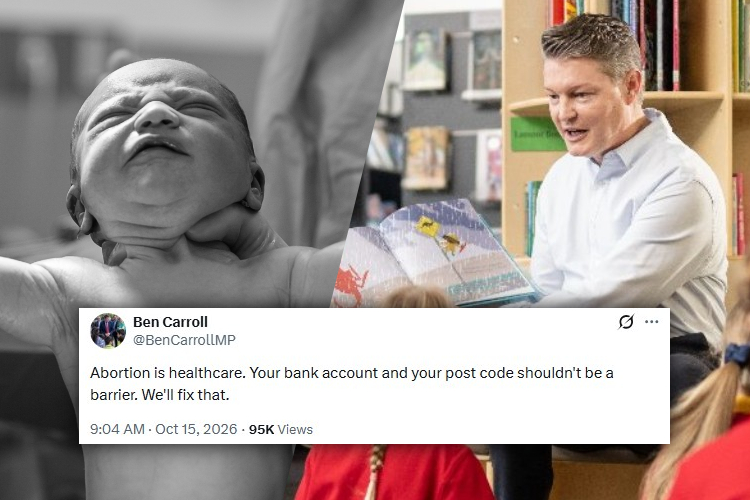
16 October 2026
4 MINS
A desperate Victorian Labor Party is peddling taxpayer-funded abortions as free “healthcare”. In a shameless attempt to stay in power, they're willing to do anything — including killing the unborn and forcing taxpayers to pay for it.
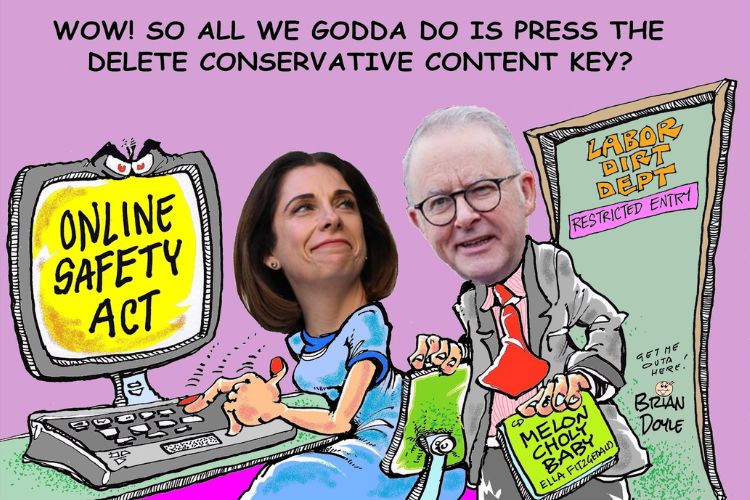
16 October 2026
3.4 MINS
Australia’s proposed digital duty of care laws promise greater online safety and increased user control by switching off algorithms, but critics warn they could give ministers sweeping powers to restrict lawful content and threaten free speech.
16 October 2026
5.2 MINS
Christa Pike’s botched execution has sparked outrage across America, but critics argue that the same concern for human dignity is denied to abortion survivors.
16 October 2026
3.3 MINS
Jesus is calling us to love one another “just as I have loved you”. And if the Church does awaken to that agape (love), the world will see a great and powerful witness to Christ and his kingdom.

15 October 2026
4.2 MINS
Many Australian Christians don’t know a single Aboriginal person. Robyn Murray argues that reconciliation begins with honest history, prayer and a shared life in Christ.


