



What Happens If We Lose Religious Freedom? Here’s What Few People Realise
Religious freedom is under increasing pressure in Australia and much of the West.
Places such as Victoria have brought in laws that will effectively penalise Christian teaching around sexuality and gender. And our broader culture demands we affirm particular identities and practices the Bible regards as sinful.
It’s not alarmist to believe that we could lose meaningful religious freedom here in Australia, and much of the West, within the next 5-10 years.
While there are obvious consequences for Christians, churches, and other ministries (e.g. religious schools), there is another consequence that few people realise.
Losing our religious freedom would impact some of the most vulnerable communities, namely refugees arriving in the West to escape oppression.
1) Many Refugees Come to The West Fleeing Oppression — Political as well as Religious Oppression
My family fled communist Eastern Europe in 1981, at the height of the Cold War.
We risked crossing the Iron Curtain in search of a better life, namely a life of freedom. Millions of others also risked (and continue to risk) their lives and the lives of their children in search of the same freedom. They seek a country free from persecution of their political and religious beliefs.
And such countries are overwhelmingly located here in the West.
But the West is changing. Religious freedom is no longer taken for granted. And this will have consequences on vulnerable refugees who end up here.
2) If We Lose Religious Freedom in Australia and the West, Vulnerable Refugees Will Again Be at Risk of Religious Persecution
Author Kurt Mahlburg explains the new danger facing refugees fleeing religious persecution from abroad:
The West is a safe harbour for those who flee persecution from abroad… But as Western nations have begun to restrict speech and expressions of faith, those who were victimised elsewhere and fled to the West are now finding that discrimination awaits them here too.[Cross and Culture — Can Jesus Save the West? (Unanderra: Australian Heart Publishing, 2020), p. 201.]
Australian Parliamentarian Mark Latham also spells out this irony:
‘I have come across a lot of people who have come to Australia in recent times and they say, “We thought we were getting away from religious persecution, that’s why we came to this land of freedom,” […] when the persecution has followed them to Australia.’[quoted by Mahlburg, ibid., p. 201]
Admittedly, most refugees are fleeing persecution that is much, much worse than anything (yet) here in Australia. But the point remains: if the West loses its religious freedom, then there will be no safe harbours left for refugees fleeing religious persecution.
As Samuel Adams, one of America’s Founding Fathers, warned:
‘Our contest is not only whether we ourselves shall be free, but whether there shall be left to mankind an asylum on earth for civil and religious liberty.’[quoted by Mahlburg, ibid., p. 201]
The vulnerability of the refugee adds another dimension to the religious freedom debate:
3) If We Care About Vulnerable Refugees, We Should Also Care About Religious Freedom in Our Own Country
I realise that many Christians are ambivalent about religious freedom.
After all, the thinking goes, if the early Church didn’t have religious freedom (and they seemed to get on just fine so far as making disciples), if many countries where the Gospel is exploding don’t have it, then why do we need it here in the West?
There are several problems with the view of not needing/caring about religious freedom here in the West:
The first is the problem of moral consistency.
If we care about the plight of vulnerable refugees fleeing persecution from overseas, then shouldn’t we also care about their wellbeing once they’re in our country?
After all, if it’s unacceptable for innocent people to be persecuted by governments and cultures in other parts of the world, why would it then be acceptable for them to be targeted by activists and government Human Rights Commissions once they arrive on our shores? [Many pro-refugee activists also condemn the actions of the Australian government in offshore detention, but support laws (e.g. in Victoria) that may well lead to the refugees being detained for their religious beliefs.]
Thus, it strikes me as odd that some of the most pro-refugee people in our society — namely those on the political and cultural Left — are also those most suspicious of religious freedom. Don’t they realise that most refugees are religious? Be it refugees from Africa, Asia or the Middle East. These people wear religion (often quite literally) on their sleeves (look at the 2017 marriage postal vote results: the highest number of ‘no’ voters were religious people from other cultures).
By wanting to restrict religious freedom through cultural and legal means, these same pro-refugee advocates are exposing refugees to potential cultural and legal penalties. (E.g. through gay-conversion laws such as the ones passed recently in Victoria.)
The second problem of ‘we don’t need to care about religious freedom’ is the problem of biblical consistency.
The Bible doesn’t speak directly to many social issues that Christians may care about, be it climate change, foreign aid, or immigration policy. (Although the Bible does speak indirectly to such issues: see my post about it here.) But it does speak directly to the issue of religious freedom:
Namely, we’re commanded to pray for religious freedom (1 Tim 2:1-4). We’re commanded to give to God what belongs to God and only give to Caeser what belongs to Caeser (Mark 12:17, Acts 5:29). This is because God’s design for governments is not to coerce religious belief (Romans 13:1-6).[I unpack this more in my interview with Moore Theological College’s Centre for Christian Living — see here.]
Yes, God in His sovereignty may remove religious freedom from Western shores. But that doesn’t mean we stop caring about it — any more than we stop caring about vulnerable refugees who, under the sovereignty of God, had to flee persecution.
And so, if we’re in a position to advocate for religious freedom — for the sake of our Muslim, Sikh, Hindu neighbour, as much as for our Christian neighbour — then shouldn’t we take that opportunity while we still can?
What Can Christians Do?
What can Christians do to help our vulnerable religious neighbours, who have fled persecution to our shores?
First, pray for religious freedom, as God commands us through His word (1 Tim 2:1-4).
Second, while the Bible does not give us specific commands about political advocacy (and thus political advocacy is an area of Christian freedom), I urge you to explore ways to use your God-given political responsibility as a citizen to advocate for religious freedom.
Over this week, the Christian legal think tank Freedom for Faith (FFF) is running a campaign encouraging Christians to contact their local MP and ask them about religious freedom. FFF will help you do that here.
Either way, our God cares about the religious freedom of our neighbours — and so should we.
___
Originally published at AkosBalogh.com
Photo by pixpoetry on Unsplash.
2 Comments
Leave A Comment
Recent Articles:
26 August 2026
1.6 MINS
Victoria's cults inquiry report lacks clear definitions and religious freedom safeguards. ACL welcomes support for survivors but warns mainstream churches and homeschooling families could be wrongly caught up.
26 August 2026
4.5 MINS
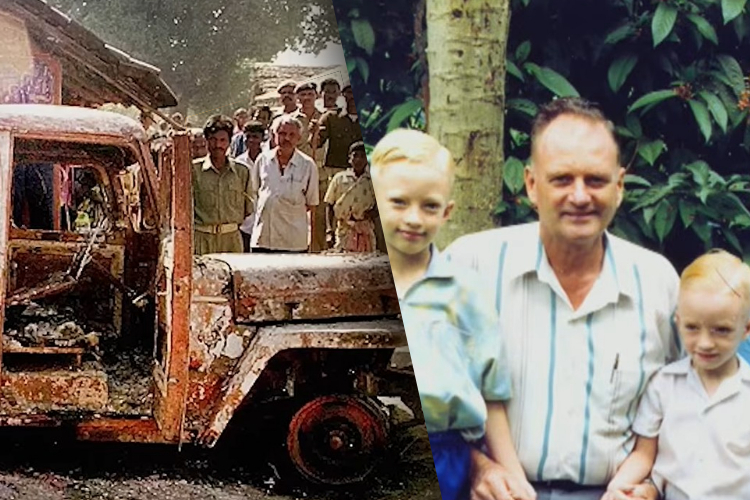
Hindu Dara Singh, convicted for burning missionary Graham Staines and his sons alive in 1999, is seeking early release. His case reopens questions about justice, remorse, and religious violence in India.

26 August 2026
6.1 MINS
The high-profile Sydney Swans AFL scandal reminds us that "respectable" sins are just as serious as the ones that make headlines.
26 August 2026
5.4 MINS
A review of Texas Senate candidate James Talarico's 2023 sermon rejecting religious exclusivism, examining his claims about God's universality through both logical and biblical arguments against religious pluralism.
26 August 2026
1.9 MINS
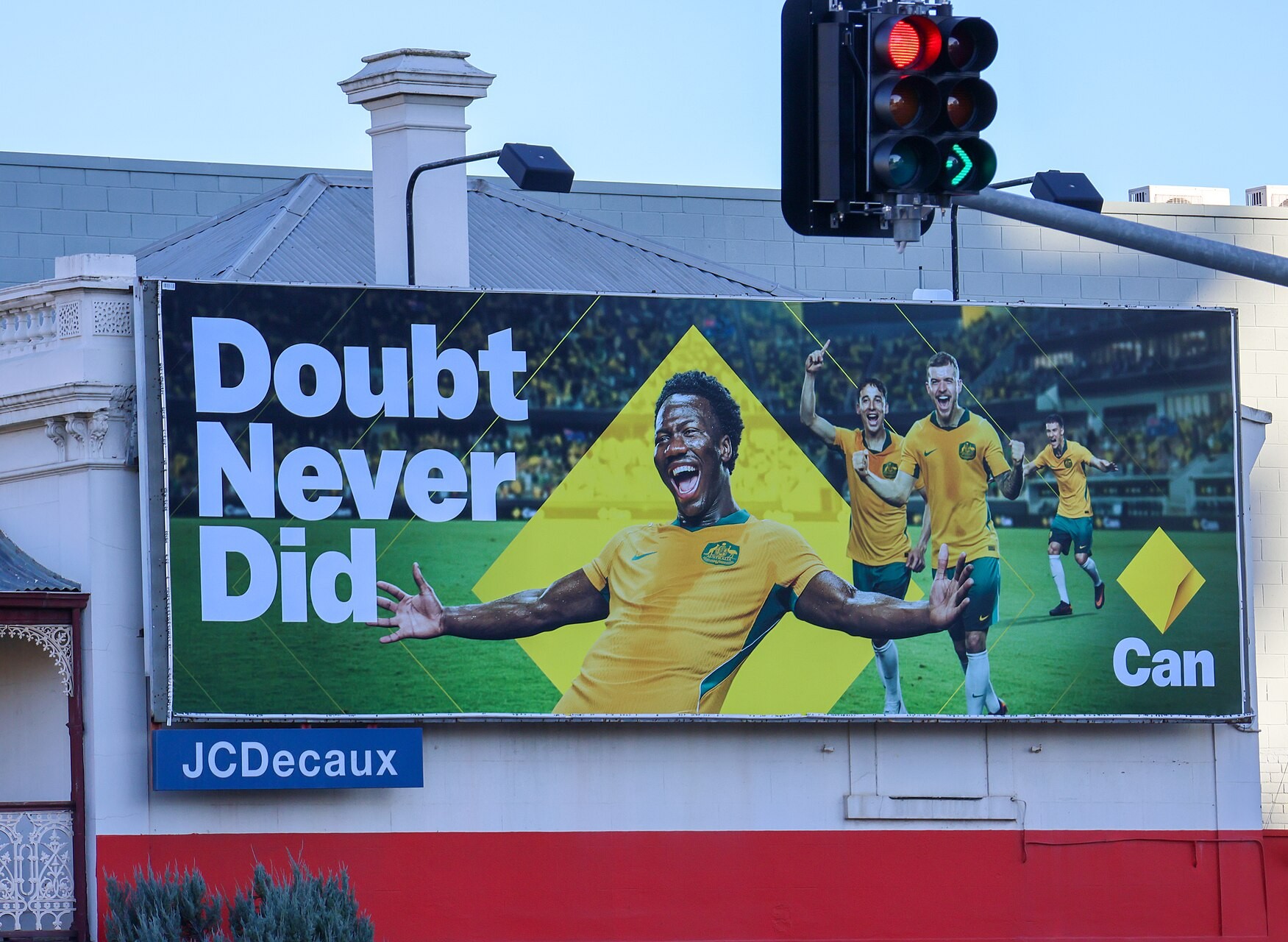
Socceroos winger Nestory Irankunda has sealed a $24.5 million move to Sporting CP, capping a stunning rise from a Tanzanian refugee camp to Europe's elite, powered by family, faith and raw talent.
25 August 2026
2.9 MINS
As Australians question whether this year’s Census will undercount Christians, the 2026 National Church Life Survey offers a more detailed picture of Christian belief and practice around the nation — one that leaders say is overdue after years of Covid disruption.

25 August 2026
10 MINS
When Sophie Cunningham's comments on transgender athletes in women's sports went viral, a WNBA sideshow became something bigger: a clash between two rival stories about creation, identity, and redemption.



Get in Contact with Dr Charlie Ward he can help us here in Australia he is a light worker like me but he already has millions of people all over the planet. Get onto his website to contact him and hie network the patriots all over the world. The Australian corporate of the goverent has been desolved and finelised this year. That means the
Present government is illegal. Get it out to the Christians they need to know.
Michael
Thank you for making us aware and to fight for our freedom of our faith in Christ Jesus.