



Homeschoolers are Weird? Socialisation and Other Myths
Society’s phobia of homeschooling is largely manufactured. Socialisation is a myth.
What the prevailing version of it looks like is something akin to the blind leading the blind.
Kids were never designed to raise other kids. It’s the vocation of parents to nurture kids into society, not abandon them to figure it all out for themselves.
Unless you’re Hillary Clinton and believe it is the collective’s right to assimilate children into the hive mind, chances are you’re already a homeschooler.
Free from State Control
The socialisation myth survives because governments know home education empowers free thinkers, faith, freedom, and the man for woman, woman for man family unit.
More mum and dad control over a child’s education, means less exposure to daddy government indoctrination.
Big government tends to disincentivise home education because it’s a threat to their power, and demagoguery.
Mums (and/or dads) teaching from home reduces income, payroll, and GST tax revenue. It fortifies the nuclear family, and aims to raise independent thinkers who stand opposed to absolute government dependence.
No Peer Pressure
Homeschooling also competes with the education mills where kids are forced to fend for themselves on a poorly supervised playground, corralled into a caste system, and distanced from their parents.
Then, after twelve years of institutionalisation, they’re rubber-stamped with the equivalent of a social credit score, and told to function in a world with the same peer-guided, class-minded dysfunctional mentality.
This is what many mean by “socialisation.” Concerned parents looking out for their kids are right to stay as far away from it as possible.
The falsehoods and fear stereotyped of homeschooling, mean homeschoolers often get a bad rap, without having the right of reply handed to them.
Multiple Upsides
Homeschooling’s greatest strength is flexibility. Its greatest purpose is opportunity, and its greatest foundation is a loving family.
Parents, as the saying goes, are the original Department of Welfare, Education, and Training.
Examples of homeschooling success include some of history’s biggest writers, thinkers, leaders, athletes, explorers, and entertainers.
Some more recent examples can be found here. See also my top 10 reasons analysis on why homeschoolers are successful here.
For why I think parents should homeschool where they can, when they can, if they can, see here.
For those who’ve considered homeschooling, or were told homeschoolers were unsocialised gits, with no social skills whatsoever, I recently joined Cody Mitchell, host of the Canberra Declaration podcast for an informal chat on the elastic scholastic alternative.
___
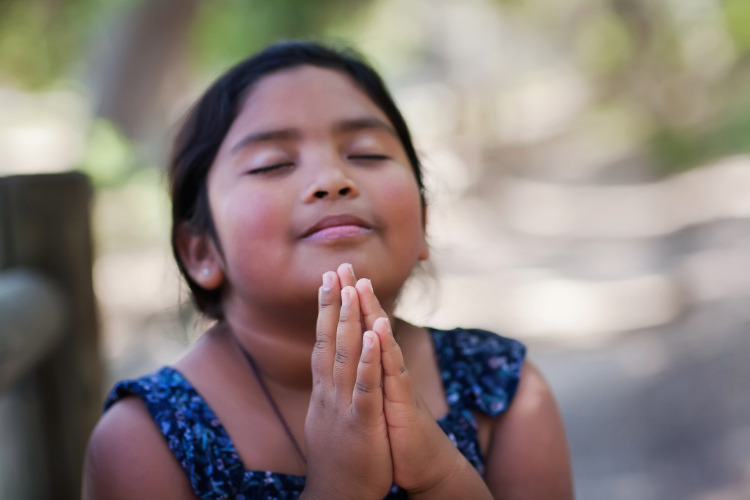
Originally published at Caldron Pool. Photo by Gustavo Fring.
Recent Articles:
8 October 2026
4.1 MINS
Aboriginal communities in Central Australia already know the gospel message. What they need now, Robyn Murray writes, is discipleship, encouragement and Christians willing to pray and participate.

6 October 2026
6.2 MINS
Britain’s grooming gang scandal exposes a devastating failure to protect vulnerable children, raising urgent questions about political correctness, accountability, immigration and the loss of moral courage.

6 October 2026
3.8 MINS
A grandmother’s disputed death has put Canada’s euthanasia regime under fresh scrutiny, as the Medical Assistance in Dying (MAiD) program passes 100,000 deaths with a further expansion slated for 2027.

5 October 2026
4.9 MINS
Free Speech Union co-founder Reuben Kirkham warns Australia’s proposed Digital Duty of Care could expand censorship powers, undermine free expression and bypass recent legal protections.

5 October 2026
3.2 MINS
We can avoid challenges and, for a while at least, this might feel comfortable. But it has a price. Living courageously is not easy, but it leads to growth, fulfilment and greater sense of joy in your life.

2 October 2026
11.6 MINS
New evidence challenges prevailing assumptions about adolescent sexuality and gender medicine, urging parents, clinicians and Christian leaders to prioritise honest inquiry, careful care and scientific integrity.
2 October 2026
3.4 MINS
New research highlights the strong links between active Christian faith, marital happiness, sexual satisfaction, family stability and the formation of future generations.


