



Benefits of Roughhousing (Rough & Tumble Play)
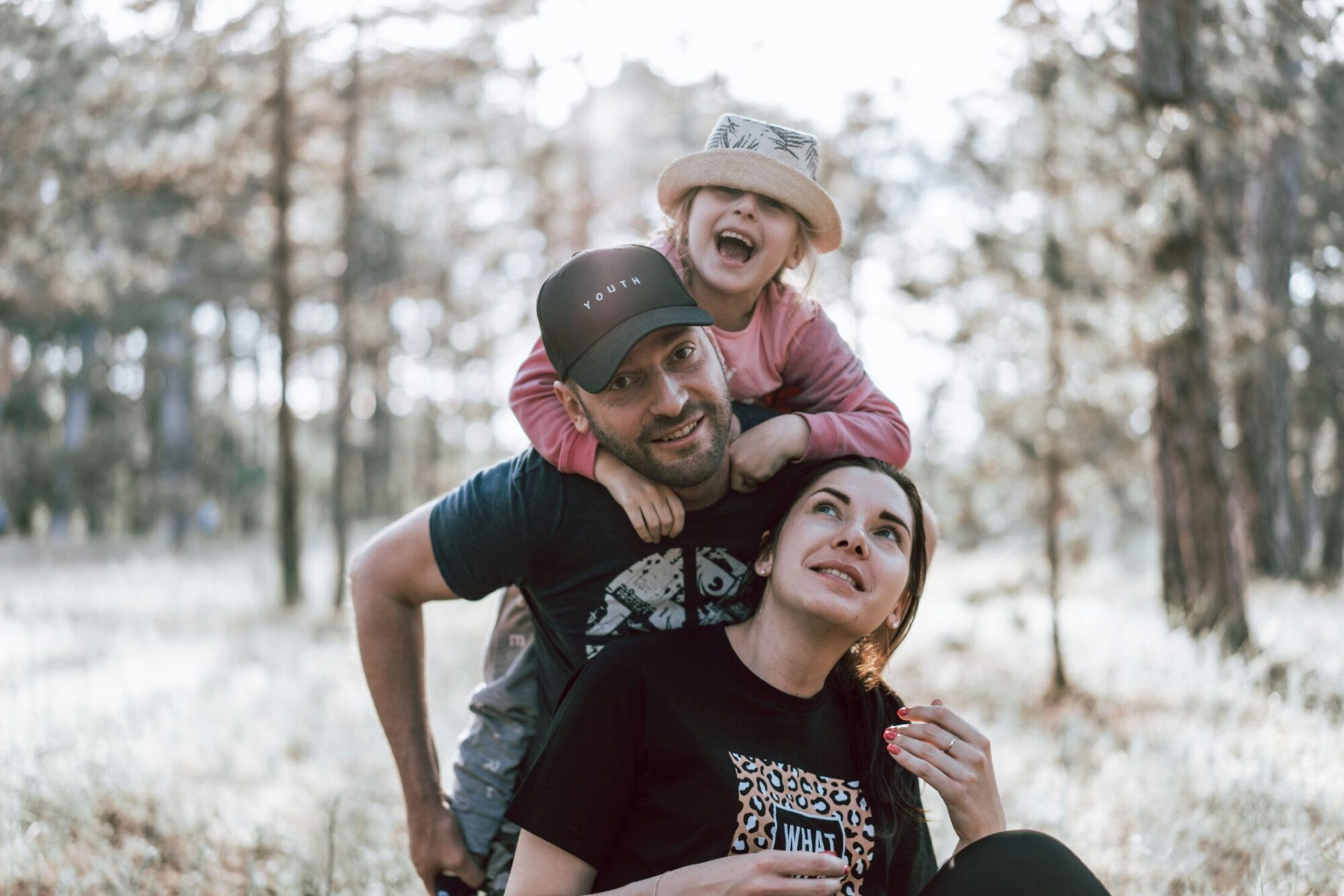
Roughhousing with your children builds resilience and trust, while shaping their character and intellect. Reap the benefits starting today!
Harmon Killebrew said, “My father used to play with my brother and me in the yard. Mother would come out and say, ‘You’re tearing up the grass’. ‘We’re not raising grass,’ Dad would reply. ‘We’re raising boys’.” That may well have been the reply of Dan Fowlks to his detractors.
Dan’s viral video has been seen well over 161,000,000 times on Facebook and totalled multi-million views on YouTube and other platforms. The Today Show on Channel 9 even did a feature story on this adorable father-daughter dancing/jumping/clapping singing duo.
Dan Fowlks – The Dad
Unfortunately, Dan is not without his critics, as pointed out by the UK’s Mirror article titled “Dad’s sweet sing-along with baby daughter has people more worried about her safety“.
Under the words “adorable video has attracted plenty of fans — and some concerns too” runs the following article.
New dad Dan Fowlks recently shared an incredibly cute video of him enjoying some father-daughter time.
Or rather, he shared footage of his baby daughter having a riotously good time while he played the guitar and sang along to her.
The chubby-cheeked tot shows her appreciation for her dad’s singing and guitar playing (neither of which is too bad at all) by clapping and enthusiastically rocking back and forth while kneeling on a bed.
It’s one minute and 47 seconds of simple, feel-good viewing as dad and daughter share a special moment together.
The footage, shared by The Dad, also attracted some comments expressing worry for the little girl’s safety.
“Anyone else cringing in fear the baby would fall or is it just the [helicopter] father in me?” wrote one man.
“Same,” agreed a mum.
“My stomach dropped every time she rocked,” another comment read.
“My 6-year-old son kept saying the same thing!” pointed out someone else.
Another comment read, “I was tense the entire time.”
Not everyone felt the same way, though.
It took the mum of the baby girl to wade in, and point out, “If you notice, my husband puts his leg up to keep her from falling. It’s funny how you had to point that out when clearly it was just meant to be a cute and endearing video.”
As someone adroitly pointed out in the comments section: “Anyone who doesn’t smile and laugh at this has no heart.” Thank God Dan Fowlks’ wife, Chantelle Fowles, gets the importance of dads roughhousing and playing with their children, starting from an early age.
The term roughhousing could literally mean playing boisterously, physically and competitively with your children. It is what you make it.
Let me share seven benefits of Dads Roughhousing with Their Children. The first six are taken word for word from Brett & Kay McKay’s brilliant article, “The Importance of Roughhousing with your Kids.”
1. FITNESS – Roughhousing Gets Your Child Physically Active
Dads have a profound impact on their children’s physical fitness. Studies have shown that the father’s (not the mother’s) activity level and weight strongly predict what their children’s activity level and weight will be as adults. If you want your kids to be healthy, active, and fit, then you better be healthy, active, and fit yourself.
What better way to teach your kids to live an active lifestyle than by getting down on the carpet with them for some vigorous roughhousing instead of everyone vegging out in front of the TV? All that running, tumbling, and tackling helps develop strength, flexibility, and coordination in your child.
2. RESILIENCE: Roughhousing Boosts Your Child’s Resilience
Roughhousing requires your child to adapt quickly to unpredictable situations. One minute they might be riding you like a horse and the next they could be swinging upside-down. According to biologist Marc Bekoff in his book Wild Justice, the unpredictable nature of roughhousing actually rewires a child’s brain by increasing the connections between neurons in the cerebral cortex, which in turn contributes to behavioural flexibility. Learning how to cope with sudden changes while roughhousing trains your kiddos to cope with unexpected bumps in the road when they’re out in the real world.
Additionally, roughhousing helps develop your children’s grit and stick-to-itiveness. You shouldn’t just let your kids “win” every time when you roughhouse with them. Whether they’re trying to escape from your hold or run past you in the hallway, make them work for it. Playtime is a fun and safe place to teach your kids that failure is often just a temporary state and that victory goes to the person who keeps at it and learns from his mistakes.
3. INTELLIGENCE: Roughhousing Makes Your Child Smarter
Go ahead. Toss your kid like a sack of potatoes onto your bed. It will help turn him into a Toddler Einstein.
Psychologist Anthony Pellegrini has found that the amount of roughhousing children engage in predicts their achievement in first grade better than their kindergarten test scores do. What is it about rough and tumble play that makes kids smarter? Well, a couple of things.
First, as we discussed above, roughhousing makes your kid more resilient, and resilience is key in developing children’s intelligence. Resilient kids tend to see failure more as a challenge to overcome rather than an event that defines them. This sort of intellectual resilience helps ensure your children bounce back from bad grades and gives them the grit to keep trying until they’ve mastered a topic.
In addition to making students more resilient, roughhousing actually rewires the brain for learning. Neuroscientists studying animal and human brains have found that bouts of rough-and-tumble play increase the brain’s level of a chemical called brain-derived neurotrophic factor (BDNF). BDNF helps increase neuron growth in the parts of the brain responsible for memory, logic, and higher learning — skills necessary for academic success.
4. SOCIAL INTELLIGENCE – Roughhousing Builds Social Intelligence
Roughhousing builds social intelligence in several ways. First, when kids roughhouse, they learn to tell the difference between play and actual aggression. Dr Pellegrini found in a survey among school-aged children that the ones who could tell the difference between play and real aggression were more well-liked compared to kids who had a hard time separating the two.
The kids who mistook play for aggression often ended up returning their classmates’ good-natured overtures with a real punch in the kisser. The ability to differentiate between play and aggression translates into other social skills that require people to read and interpret social cues.
Roughhousing also teaches children about taking turns and cooperation. You might not recognise it, but when you horse around with your kids, you’re often taking part in a give-and-take negotiation where the goal is to make sure everyone has fun. Sometimes you’re the chaser and sometimes you’re the chasee; sometimes you’re pinning down your kids and other times they’re pinning you down. Your kids wouldn’t want to keep playing if they were constantly on the losing side. Everyone has to take turns in order for the fun to continue.
What’s interesting is that animals even take part in this back-and-forth role reversal. Adult wolves will expose their bellies and necks to their cubs and let them “win” the play fight. Stronger rats will handicap themselves during bouts of play and let the weaker rat win so play can continue. Marc Bekoff posits that roughhousing may be nature’s way of teaching cooperation to animals, a necessary skill for the survival of a species.
5. ETHICS – Roughhousing Teaches Your Child Morality
We all want kids who end up like Atticus Finch — moral, upright, compassionate. That’s exactly why you need to body-slam your kid every now and then.
When we roughhouse with our sons and daughters, they learn boundaries and the difference between right and wrong. If they start hitting hard, aiming below the belt, or becoming malicious, you can reprimand them and then show by example what’s appropriate roughhousing behaviour.
Also, roughhousing teaches our children about the appropriate use of strength and power. As I mentioned earlier, when we roughhouse with our kids, we often take turns with the dominant role. Because we’re so much bigger and stronger, we have to handicap ourselves. The implicit message to your child when you hold back is: “Winning isn’t everything. You don’t need to dominate all the time. There’s strength in showing compassion for those weaker than you.”
6. BETTER BONDING – Roughhousing Builds the Father-Child Bond
Some of my best memories of my childhood were when my dad roughhoused with my brother and me. When we were smaller, he’d do the obligatory “ride the horsey.” When we got a little bigger, we moved to slap-fighting, which consisted of my dad dramatically swirling his hands in front of him like you see fighters do in the old kung fu movies and then very lightly smacking our heads with quick open-handed jabs. Slap fights were the best…
When you throw your kids up in the air and catch them or swing them upside-down, you’re building your child’s trust in you. As they take part in somewhat risky activities with you, your kids learn that they can trust you to keep them safe.
7. FUN – Yes fun where would the world be without FUN?
Children love fun; so do dads. Remember children spell love = TIME, but for children love and fun are hard to distinguish, so children also spell love = FUN. It is funny (excuse the pun) how LOVE and FUN both require TIME.
Lovework
If this information really interests you, Brett and Kate McKay from the Art of Manliness and I would definitely recommend you pick up a copy of The Art of Roughhousing. The book features some great suggestions for roughhousing fun, along with helpful illustrations showing you how to do them. Remember though, you don’t have to read a book to do this: just start ASAP and learn as you go.
___
Photo by Kampus Production.
2 Comments
Leave A Comment
Recent Articles:

19 October 2026
12.4 MINS
Greta Gerwig’s "Narnia: The Magician’s Nephew" trailer raises questions about C. S. Lewis’s Christian vision and the faithfulness of the new Netflix adaptation. Here are my initial impressions and concerns.
19 October 2026
3.3 MINS
Discover why dads make a unique difference in their children’s lives, and how the Dads4Kids Fun Camp creates lasting memories through adventure, connection and fun.
16 October 2026
4 MINS
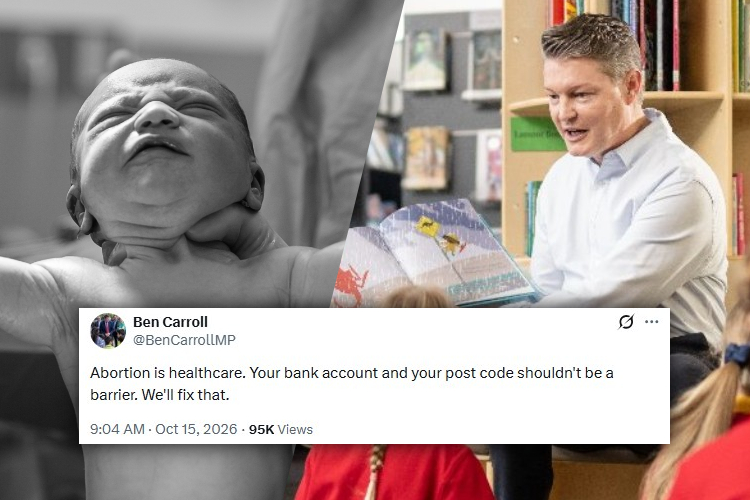
A desperate Victorian Labor Party is peddling taxpayer-funded abortions as free “healthcare”. In a shameless attempt to stay in power, they're willing to do anything — including killing the unborn and forcing taxpayers to pay for it.

16 October 2026
3.4 MINS
Australia’s proposed digital duty of care laws promise greater online safety and increased user control by switching off algorithms, but critics warn they could give ministers sweeping powers to restrict lawful content and threaten free speech.

15 October 2026
6.1 MINS
Historian Frank Furedi warns that the West is waging a war against its own past, censoring books, rewriting history and severing future generations from their heritage.

14 October 2026
6.7 MINS
A national poll challenges claims that pro-life Australians are extremists, revealing broad support for abortion restrictions, protections for unborn babies and safeguards for vulnerable women.

14 October 2026
2.1 MINS
The first reported case of euthanasia under the Netherlands’ expanded rules for children under 12 has reignited ethical concerns about disability, suffering and the protection of vulnerable lives.



Such a much needed message for our time. As a chaplain it is vital that families remember the fun of playing together to build resilience, trust and community. Such a great word.
The 7 benefits you highlight apply equally to all adults as we attempt to absorb and discern the information slowly being provided and clarified .